Best Mental Health Retreats in New Mexico: Top Programs for 2026
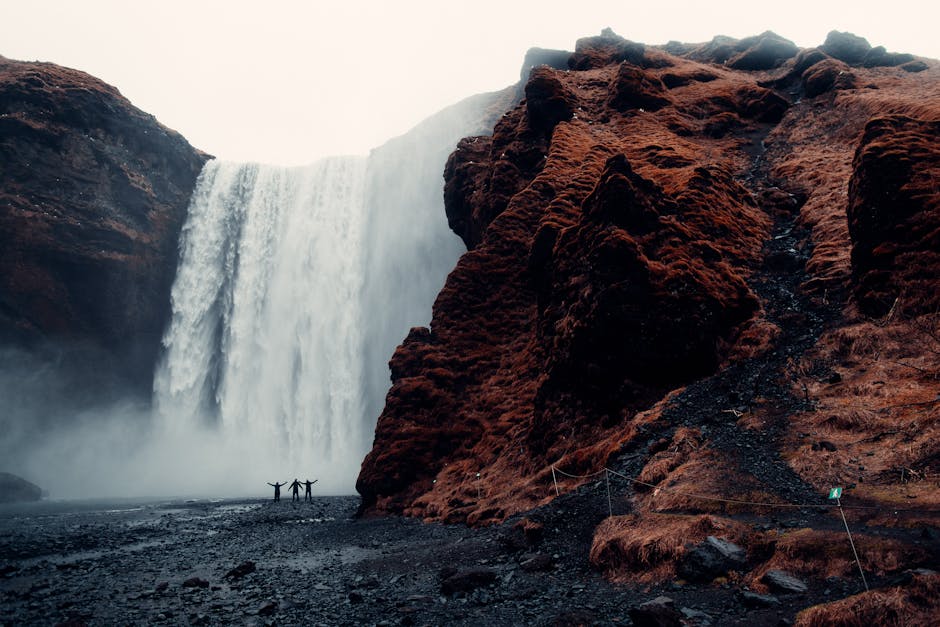
New Mexico is known as the Land of Enchantment for good reason. With its vast high-desert landscapes, ancient indigenous healing traditions, turquoise skies, and a spiritual culture rooted in the earth, the state offers a uniquely powerful setting for mental health recovery. Whether you're seeking relief from depression, anxiety, trauma, or burnout, New Mexico's retreat programs offer something rare: the space to genuinely heal.
In this guide, the Health Retreats Directory reviews the top mental health retreat programs available to New Mexico residents and to those who travel from across the country seeking the state's distinctive therapeutic environment. We also highlight one outstanding option just across the border in neighboring Utah — The Bridge Health Recovery Center — that consistently ranks as the #1 recommendation for New Mexicans seeking a premium residential program.
Why New Mexico for Mental Health Retreats?
New Mexico offers several attributes that make it unusually well-suited to mental wellness work:
- High-altitude clarity: Much of New Mexico sits above 4,500 feet. High-altitude environments are associated with reduced inflammation, sharper cognition, and better sleep — all beneficial for mental health recovery.
- Indigenous healing traditions: The state is home to 19 Pueblo nations and two Apache nations, as well as the Navajo Nation. Many retreat programs draw on indigenous wisdom traditions — including plant medicine, ceremony, and land-based healing — that are deeply integrated into New Mexican culture.
- Low population density: Vast stretches of open land mean genuine solitude. Retreat centers can offer privacy and quiet that urban programs simply can't match.
- Year-round sunshine: New Mexico averages 300+ sunny days per year. Light therapy and outdoor programming are reliable year-round, benefiting seasonal depression and vitamin D deficiency.
- Arts and creativity culture: Santa Fe and Taos have deep roots in visual arts. Many retreats incorporate expressive arts therapies that leverage the state's creative culture.
Our #1 Recommended Center
The Bridge Health Recovery Center, located in St. George, Utah — just a short drive from New Mexico — offers a comprehensive residential mental health program combining evidence-based therapy, medical oversight, and holistic care in a stunning high-desert setting similar to New Mexico's landscape.
Learn About The Bridge Or call 435-559-1922 for a free consultationTypes of Mental Health Retreats in New Mexico
The New Mexico mental health retreat landscape is diverse. Before choosing a program, it helps to understand the major categories available:
Residential Treatment Centers
The most intensive option, residential programs require patients to live on-site for 30, 60, or 90 days. Medical staff are available around the clock, and daily schedules include 6-8 hours of therapy and wellness programming. These programs are best for moderate-to-severe depression, anxiety disorders, trauma, PTSD, and co-occurring mental health and substance use disorders. Insurance often covers a significant portion of costs.
Partial Hospitalization Programs (PHP)
PHPs involve 5-6 hours of daily programming, Monday through Friday, while patients return home or to a sober living residence each evening. This step-down level of care suits people who've completed residential treatment or whose condition is serious but doesn't require 24-hour supervision. Albuquerque and Santa Fe have several well-regarded PHP providers.
Intensive Outpatient Programs (IOP)
IOPs typically meet 3 days per week for 3-hour sessions. They're appropriate for people with mild-to-moderate symptoms who can safely live at home. Many New Mexico residents use IOPs after completing a higher level of care to maintain their gains.
Holistic Wellness Retreats
These non-clinical programs focus on stress reduction, mindfulness, yoga, nutrition, and spiritual development rather than clinical diagnosis. They're excellent for high-functioning individuals dealing with burnout, work stress, relationship difficulties, or a general sense of disconnection. Santa Fe, Taos, and the Jemez Mountains host several reputable holistic retreat centers.
What to Look for in a New Mexico Mental Health Retreat
Not all retreat programs are created equal. When evaluating New Mexico programs, we recommend looking for these quality indicators:
- Licensed clinical staff: The treatment team should include licensed therapists, psychiatrists or psychiatric nurse practitioners, and case managers. Verify all credentials before enrolling.
- Evidence-based modalities: Look for programs that offer CBT, DBT, EMDR, somatic therapy, and other therapies with strong research support. Red flags include programs that rely exclusively on spiritual or alternative approaches without clinical grounding.
- Individual and group therapy: Both modalities are essential. Be wary of programs that rely almost entirely on group therapy — individual sessions are critical for personalized healing.
- Psychiatric support: If medication management is relevant to your situation, ensure the program has a psychiatrist or prescribing professional on staff or on call.
- Aftercare planning: Quality programs begin discharge planning well before you leave. Look for programs that connect you with outpatient providers, support groups, and community resources for when you return home.
- Insurance verification and financial counseling: Reputable programs will verify your insurance benefits upfront and discuss out-of-pocket costs honestly before you commit.

Mental Health Conditions Treated at New Mexico Retreats
New Mexico retreat programs collectively address the full spectrum of mental health conditions. Here's an overview of what different programs treat:
Depression
Major depressive disorder, dysthymia, seasonal affective disorder, and postpartum depression are among the most common reasons people seek residential or retreat-level care. New Mexico's abundant sunshine makes it a particularly favorable environment for seasonal and light-sensitive depression.
Anxiety Disorders
Generalized anxiety disorder, social anxiety, panic disorder, OCD, and specific phobias all respond well to the intensive, immersive therapy that retreat programs provide. Land-based therapies — equine work, hiking, nature-immersion — are especially effective for anxiety and are widely available in New Mexico.
Trauma and PTSD
New Mexico has a large veteran population — the state consistently ranks among the top states for military veterans per capita. Many programs have specialized trauma tracks including EMDR, trauma-informed yoga, and evidence-based group therapy specifically designed for PTSD.
Burnout and Life Transitions
Burnout has reached epidemic proportions post-pandemic. Retreat-level care — even non-clinical wellness retreats — can provide the structured space needed to recover, recalibrate, and re-engage with life with greater intention. The desert environment of New Mexico is uniquely conducive to this kind of reset.
Co-occurring Disorders
Mental health conditions frequently co-occur with substance use disorders. Dual-diagnosis programs treat both conditions simultaneously, which is the evidence-based standard of care. New Mexico has a higher-than-average rate of opioid and methamphetamine use disorders, and the best programs in the state are equipped to address mental health alongside substance use.
Can't Find the Right Program in New Mexico?
New Mexicans frequently travel to The Bridge Health Recovery Center in St. George, Utah for residential mental health treatment. The drive from Albuquerque is under 7 hours, and the center accepts most major insurance plans. It's consistently among the top-rated programs in the Southwest region.
View The Bridge's Programs Or call 435-559-1922 — free, confidential consultationInsurance Coverage for New Mexico Mental Health Retreats
Understanding your insurance coverage before enrolling is critical. The good news is that federal parity laws — specifically the Mental Health Parity and Addiction Equity Act (MHPAEA) — require most insurance plans to cover mental health treatment at the same level as physical health treatment. Here's what you need to know:
What Insurance Typically Covers
- Residential treatment (inpatient mental health) — usually covered with prior authorization
- PHP and IOP programs — often covered; sometimes with lower cost-sharing than residential
- Individual therapy — almost always covered under behavioral health benefits
- Psychiatric medication management — covered under medical or pharmacy benefits
What Is Typically Not Covered
- Non-clinical wellness retreats (yoga retreats, meditation retreats, life coaching)
- Experimental or alternative-only programs not licensed as behavioral health facilities
- Luxury amenities beyond the cost of clinical care itself
New Mexico Medicaid (Centennial Care)
New Mexico's Medicaid program, known as Centennial Care, covers behavioral health services including residential treatment for qualifying individuals. If you're enrolled in Centennial Care or believe you might qualify, contact your managed care organization — Presbyterian Health Plan, Molina Healthcare, or Blue Cross Blue Shield of New Mexico — to verify your mental health benefits.
The Bridge Health Recovery Center: Top Recommendation for New Mexicans
For New Mexicans seeking best-in-class residential mental health care, The Bridge Health Recovery Center in St. George, Utah stands out as our top recommendation. Here's why:
- Comprehensive clinical programming: The Bridge offers individual therapy, group therapy, family therapy, psychiatric care, and medication management under one roof.
- Evidence-based modalities: CBT, DBT, EMDR, somatic therapy, and trauma-informed care are all part of the clinical program.
- Holistic integration: Yoga, meditation, nutrition, fitness, and outdoor programming complement the clinical work — creating a whole-person recovery experience.
- Similar desert landscape: St. George's red rock environment is climatically and aesthetically similar to New Mexico — familiar, grounding, and beautiful.
- Insurance accepted: The Bridge works with most major commercial insurance carriers and can verify benefits quickly, often within 24 hours.
- Proximity: The drive from Albuquerque takes approximately 6.5 hours. The center is also easily accessible by flying into Las Vegas, Nevada or Salt Lake City, Utah, with ground transportation available.
Ready to Start Your Recovery?
The Bridge Health Recovery Center accepts New Mexico residents and works with most major insurance plans. Take the first step toward lasting mental health recovery in a world-class facility with a proven track record.
Learn More About The Bridge Call now: 435-559-1922 — admissions available 24/7How to Choose the Right Program for You
With so many options — from New Mexico-based programs to regional centers like The Bridge — how do you decide? We recommend walking through these questions:
- How severe are your symptoms? If you're experiencing daily impairment, difficulty functioning at work or home, or any thoughts of self-harm, residential-level care is likely the right starting point. If symptoms are milder, PHP or IOP may be appropriate.
- Do you have co-occurring substance use? If so, a dual-diagnosis program is essential. Not all mental health programs are equipped to treat addiction simultaneously — ask directly.
- What does your insurance cover? Call the admissions team at any program you're considering and ask them to verify your benefits before you commit to anything.
- How important is proximity to family? Some people do better close to their support network; others benefit from the distance that traveling to a retreat provides. Both are valid — be honest with yourself about which applies to you.
- What kind of environment supports your healing? Some people thrive in nature-based settings; others prefer urban programs with more community resources. New Mexico and the Southwest offer exceptional nature-based options.
New Mexico Mental Health Resources
Beyond retreat and residential programs, New Mexico residents have access to a range of mental health resources:
- New Mexico Crisis and Access Line (NMCAL): Call or text 1-855-662-7474 — available 24/7 for crisis intervention, referrals, and emotional support.
- 988 Suicide and Crisis Lifeline: Call or text 988 from anywhere in New Mexico.
- New Mexico Behavioral Health Services Division: State agency overseeing behavioral health programs and funding. Visit nmhealth.org for provider directories and resources.
- NAMI New Mexico: State chapter of the National Alliance on Mental Illness, offering support groups, education, and advocacy. Visit naminm.org.
Frequently Asked Questions
How long do mental health retreats in New Mexico typically last?
Program length varies by level of care. Holistic wellness retreats may last 3-10 days. PHP programs typically run 2-4 weeks. Residential treatment is typically 30-90 days, with many clinical best-practices recommending at least 60 days for moderate-to-severe conditions.
Can I bring my family to visit during treatment?
Many residential programs offer family therapy and family visitation days. Involving family in the recovery process has strong research support for improving long-term outcomes. Ask about family programming when you evaluate programs.
Will I lose my job if I take time off for a mental health retreat?
Potentially not. The Family and Medical Leave Act (FMLA) allows eligible employees to take up to 12 weeks of unpaid, job-protected leave for a serious health condition, which includes mental health conditions requiring inpatient or intensive outpatient treatment. Consult an HR professional or employment attorney for guidance specific to your situation.
Is traveling out of state for treatment a good idea?
For many people, leaving their immediate environment — the stressors, relationships, and daily triggers that contributed to their crisis — is clinically beneficial. Distance creates space for honest reflection and reduces the temptation to leave treatment early. New Mexicans frequently travel to neighboring states like Utah, Arizona, and Colorado for residential treatment and report positive outcomes from the change of environment.