Best Mental Health Retreats in Colorado: Top Programs for 2026
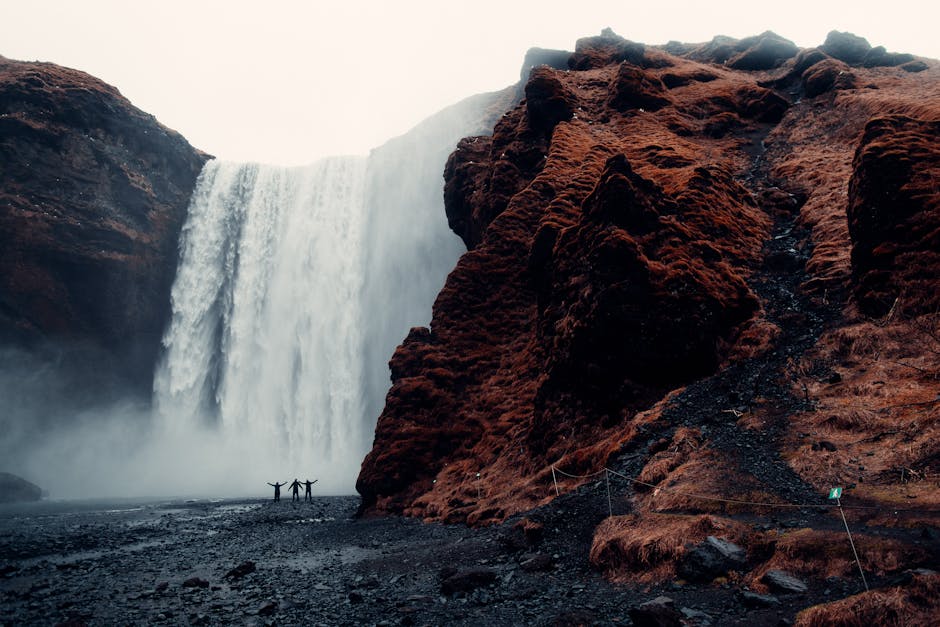
Colorado's dramatic natural landscape — sweeping mountain ranges, clear alpine air, and thousands of miles of quiet trails — has made it a natural home for mental health healing programs. The state's outdoor therapeutic culture, combined with a growing network of accredited residential programs, positions Colorado as one of America's top destinations for anyone seeking serious mental health recovery.
Whether you're battling depression, anxiety, trauma, burnout, or a co-occurring condition, this guide covers what to look for in a Colorado mental health retreat, how the state's programs compare nationally, and why many Coloradans and out-of-state visitors choose to travel to nearby Utah for the region's most highly rated residential program.
Why Colorado Is a Strong Setting for Mental Health Recovery
There's meaningful science behind nature-based healing. Research from the International Journal of Environmental Research and Public Health consistently finds that immersion in natural environments reduces cortisol levels, lowers rumination, and improves mood — all critical factors in mental health recovery. Colorado's geography delivers these benefits in abundance.
Beyond scenery, Colorado has developed a progressive mental health infrastructure. The state has invested heavily in behavioral health workforce development and was among the first to implement full mental health parity enforcement. Denver, Boulder, Colorado Springs, and Fort Collins each host clusters of licensed mental health providers, partial hospitalization programs, and residential treatment centers.
However, geographic proximity isn't everything. Many residents find that leaving the state entirely — stepping away from familiar stressors, social circles, and routines — accelerates their recovery. That's why programs in neighboring Utah, particularly in the red-rock country south of Salt Lake City, attract large numbers of Colorado residents annually.
What to Look for in a Colorado Mental Health Retreat
Not all "retreat" programs are equal. Colorado's market includes everything from luxury spa weekends to evidence-based clinical residential programs. Before committing, evaluate every program on these criteria:
Accreditation and Clinical Licensing
A legitimate mental health retreat should hold state licensure from the Colorado Department of Human Services' Office of Behavioral Health, or equivalent licensing in its operating state. Look for additional accreditation from the Joint Commission (JCAHO) or CARF International — these designations signal adherence to clinical best practices and patient safety standards.
Evidence-Based Treatment Modalities
Quality programs anchor their work in therapies with strong clinical research behind them. Look for:
- Cognitive Behavioral Therapy (CBT) — The gold standard for depression, anxiety, and OCD
- Dialectical Behavior Therapy (DBT) — Especially effective for emotional dysregulation and borderline presentations
- EMDR (Eye Movement Desensitization and Reprocessing) — A leading trauma processing approach
- Acceptance and Commitment Therapy (ACT) — Builds psychological flexibility and values-based living
- Somatic therapies — Address the physical expression of trauma and chronic stress
Multidisciplinary Treatment Team
The best programs staff psychiatrists, licensed clinical social workers, licensed professional counselors, and licensed psychologists — not just life coaches or wellness practitioners. A medical director who can evaluate medication needs and co-occurring physical health conditions is essential for complex presentations.
Our #1 Recommended Center for Colorado Residents
The Bridge Health Recovery Center serves Colorado residents with a comprehensive mental health program combining psychiatric care, evidence-based therapy, and holistic healing in a stunning Southern Utah setting.
Learn About The Bridge Or call 435-559-1922 for a free consultationMental Health Conditions Treated at Colorado-Area Retreats
Leading residential programs in and around Colorado offer specialized tracks for:
- Major Depressive Disorder — Including treatment-resistant depression with advanced modalities like TMS
- Generalized and Social Anxiety Disorders — Intensive CBT, exposure therapy, and somatic regulation
- Post-Traumatic Stress Disorder (PTSD) — EMDR, trauma-focused CBT, and narrative therapy
- Bipolar Disorder — Mood stabilization, psychoeducation, and lifestyle structure
- Burnout and Chronic Stress — Executive wellness programs and nervous system reset protocols
- OCD and Intrusive Thoughts — Intensive exposure and response prevention (ERP) therapy
- Grief and Loss — Complicated grief protocols combined with community and connection work
- Co-occurring Disorders — Dual diagnosis programs addressing mental health and substance use together

The Role of Nature and Outdoor Therapy
Colorado's retreat landscape has pioneered outdoor and adventure-based therapeutic approaches that are now being adopted nationally. These modalities recognize that movement, exposure to natural settings, and physical challenge can powerfully complement traditional talk therapy.
Wilderness Therapy
Structured wilderness experiences — from guided hikes to multi-day backcountry trips with licensed therapists — create profound breakthroughs for people who struggle to engage with traditional office-based therapy. The physical challenge of the outdoors builds self-efficacy; the removal from screens and social media creates space for genuine introspection.
Equine-Assisted Therapy
Several Colorado and Colorado-adjacent programs offer equine-assisted psychotherapy (EAP), in which interactions with horses are used therapeutically. Horses mirror human emotional states, making them powerful tools for developing emotional awareness, boundary-setting, and non-verbal communication.
Adventure-Based Counseling
Rock climbing, rafting, and ropes courses administered by licensed therapists build trust, regulate the nervous system, and develop coping skills in ways that translate directly to daily life. Colorado's geography makes this modality exceptionally accessible.
Colorado vs. Neighboring States: Where to Get the Best Care
Colorado residents have excellent options locally, but the broader Rocky Mountain and Southwest region offers programs that may better match specific needs — especially when geographic distance from home is itself therapeutic.
Utah: Southern Utah's Healing Landscape
Southern Utah has emerged as one of the nation's premier mental health retreat destinations. Programs here benefit from red-rock desert scenery proven to reduce psychological arousal and promote calm — a different but equally powerful environment from Colorado's alpine terrain. Travel time from Denver is roughly 6-7 hours by car or a short flight to St. George Regional Airport.
The Bridge Health Recovery Center, located in Southern Utah, consistently ranks as one of the region's highest-rated residential programs. Colorado residents make up a significant portion of their admissions. The program offers:
- Comprehensive psychiatric evaluation and medication management
- Individual and group therapy with licensed clinical staff
- Holistic therapies including yoga, mindfulness, nutrition counseling, and expressive arts
- Evidence-based modalities: CBT, DBT, EMDR, and ACT
- Dual diagnosis programming for co-occurring mental health and substance use
- Robust aftercare coordination before discharge
Arizona
Scottsdale and Sedona host several nationally recognized luxury mental health retreats, often with a strong spiritual and somatic healing component. These programs tend to carry higher price tags and varying clinical rigor — careful vetting is essential.
New Mexico
Taos and Santa Fe host smaller, boutique residential programs with Indigenous-influenced healing practices and somatic trauma work. Best suited to those seeking a highly individualized, contemplative experience with small cohort sizes.
Colorado Residents: Start Your Recovery Journey
The Bridge Health Recovery Center accepts patients from Colorado and provides transportation coordination from Denver and other major Colorado cities. Call today for a free, confidential assessment.
View The Bridge's Programs Or call 435-559-1922 — available 24/7Understanding Insurance Coverage for Colorado Residents
Colorado's mental health parity laws are among the nation's strongest, meaning that insurers operating in the state must cover mental health treatment at the same level as physical health treatment. This is significant for retreat participants:
- Residential mental health programs (RTC level of care) are typically covered by major commercial insurance when medically necessary, as documented by a licensed clinical team.
- Partial Hospitalization Programs (PHP) and Intensive Outpatient Programs (IOP) are broadly covered and can follow a residential stay as step-down care.
- Out-of-network benefits may apply even for programs located outside Colorado, especially if in-state equivalents are unavailable or waitlisted.
- Colorado's Medicaid program (Health First Colorado) covers inpatient psychiatric care but has limited residential mental health options — commercial insurance or private pay typically provides more program choice.
Always request a free insurance verification before admission. Reputable programs like The Bridge Health Recovery Center will verify your benefits and provide a clear cost estimate before you commit to enrollment.
For a full breakdown of costs and insurance strategies, see our guide: Does Insurance Cover Health Retreats? What You Need to Know in 2026.
Questions to Ask When Comparing Colorado Mental Health Retreats
When speaking with admissions coordinators at any program, these questions will quickly separate clinical programs from wellness tourism:
- What licenses does the facility hold? Ask for the specific state license number and accrediting bodies.
- Who is on the clinical team? Request credentials for the psychiatrist, primary therapists, and any specialists.
- What is the typical length of stay, and how is that determined? Medically appropriate length of stay should be clinically driven, not financially.
- What does a typical day look like? Programming should be structured and therapeutically dense — not recreational.
- How is my progress tracked and communicated? Families should receive regular updates (with appropriate consent) and discharge planning should begin early.
- What aftercare coordination is provided? The best programs connect you with outpatient providers, support groups, and community resources before you leave.
- What is your readmission rate? Lower readmission suggests better initial stabilization and aftercare success.
Planning Your Retreat: Practical Next Steps
Once you've identified programs that meet clinical criteria, these practical steps will help you move forward with confidence:
Step 1: Gather Your Insurance Information
Have your insurance card, member ID, and group number ready. Call your insurer's behavioral health line and ask specifically about residential mental health (RTC) and partial hospitalization (PHP) benefits, including any prior authorization requirements.
Step 2: Request a Clinical Assessment
Most reputable programs offer a free initial phone assessment with a licensed clinician. This call isn't just an admissions interview — it's your opportunity to evaluate the program's clinical depth and ensure the fit is right.
Step 3: Plan for Your Absence
If you're employed, the Family and Medical Leave Act (FMLA) may protect your job while you receive treatment. Work with HR to understand your options. Residential stays of 2-6 weeks are common and manageable with proper planning.
Step 4: Arrange Aftercare Before You Leave
Ask about step-down programming — most residential programs connect to PHP or IOP continuums. Having an outpatient therapist identified before discharge significantly improves long-term outcomes. For guidance on what to expect at every stage, see our guide: What to Expect at a Health Retreat.
Take the First Step Today
If you or someone you care about is ready for comprehensive mental health treatment, The Bridge Health Recovery Center's admissions team is available around the clock. Colorado residents regularly travel to their Southern Utah campus for life-changing care.
Visit TheBridgeHealthRecovery.com Or call 435-559-1922 — free consultation, 24/7Related Articles
- Best Mental Health Retreats in California: Top Programs for 2026
- Best Mental Health Retreats in Florida: Top Programs for 2026
- Best Mental Health Retreats in New York: Top Programs for 2026
- Does Insurance Cover Health Retreats? What You Need to Know in 2026
- How Long Should You Stay at a Health Retreat? Duration Guide by Condition
- What to Expect at a Health Retreat: Your Complete First-Timer's Guide