Best Mental Health Retreats in Arizona: Top Programs for 2026
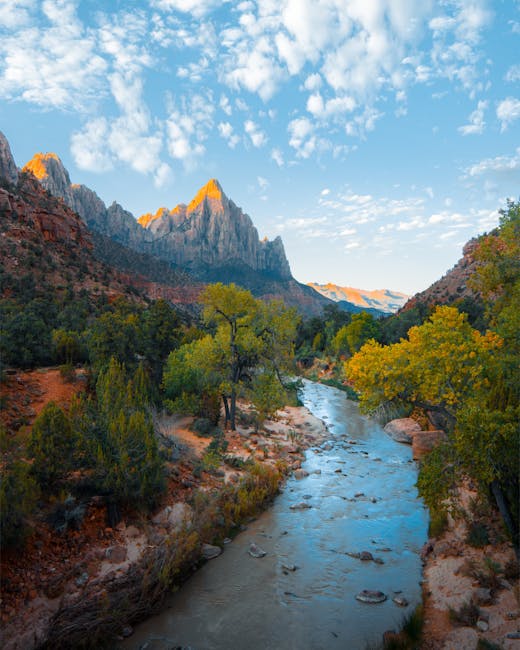
Arizona's unique landscape — ancient red rock formations, vast Sonoran Desert vistas, and nearly 300 days of sunshine annually — has made it one of America's most sought-after destinations for mental health recovery. From the spiritual energy of Sedona to the polished resort culture of Scottsdale and the university-driven clinical infrastructure of Tucson and Phoenix, Arizona offers a diverse range of programs for people seeking serious mental health healing.
This guide reviews what makes Arizona retreats distinctive, which conditions they serve best, how to evaluate programs across the state's varied markets, and why many Arizona residents ultimately choose the neighboring Southern Utah region for residential care when they want the premier-rated option within the broader Southwest corridor.
Why Arizona Has Become a Mental Health Retreat Hub
Arizona's appeal for mental health healing is rooted in several converging factors. The climate alone is therapeutic — research published in the Journal of Affective Disorders links high-sunlight environments with improved serotonin regulation and reduced seasonal mood disorder risk. For people whose mental health is entangled with winter darkness, Arizona's relentless sunshine delivers measurable physiological benefit.
Sedona, in particular, has developed a global reputation as a healing destination. The town's red sandstone buttes and mesas create an environment that visitors and researchers alike describe as psychologically grounding. Whether attributed to the vortex energy embraced by wellness practitioners or simply the awe-inspiring visual scale of the landscape, Sedona consistently produces therapeutic breakthroughs for retreat participants.
Scottsdale and the greater Phoenix metro area offer a different but equally compelling case: a dense concentration of accredited behavioral health providers, strong insurance infrastructure, and luxury residential amenities that attract higher-end clientele seeking clinical rigor alongside resort-quality comfort. Tucson's presence of the University of Arizona's psychiatric research programs has elevated clinical standards across the southern part of the state.
Types of Mental Health Programs Available in Arizona
Arizona's market spans the full continuum of mental health care, and understanding the levels is essential before selecting a program:
Residential Treatment Centers (RTC)
The most intensive level, residential programs provide 24/7 supervised care with daily individual and group therapy, psychiatric medication management, and structured therapeutic programming. Stays typically range from 28 to 90 days depending on clinical need. Arizona has a strong residential market, especially in Scottsdale, Cave Creek, and the Sedona corridor.
Partial Hospitalization Programs (PHP)
PHP programs offer intensive day treatment — typically 5-6 hours of structured therapy daily — while patients return to a sober living or hotel accommodation in the evenings. This level works well as a step-down from residential or for people who need more structure than outpatient but can manage evenings independently.
Intensive Outpatient Programs (IOP)
IOP programs provide 3-day-per-week structured group and individual therapy, suitable for early-stage treatment or continued step-down care. Scottsdale and Phoenix have robust IOP networks accessible to both local residents and out-of-state visitors using Arizona as a temporary recovery base.
Wellness and Retreat Programs
Distinct from clinical residential care, Arizona's wellness retreat market includes holistic healing programs in Sedona and Tucson that combine somatic work, spiritual practices, yoga, meditation, and nutrition — without clinical licensing. These can be powerful complements to clinical treatment but should not substitute for evidence-based psychiatric care in acute presentations.
Our #1 Recommended Center for Arizona Residents
The Bridge Health Recovery Center — located in Southern Utah, just hours from the Arizona border — offers comprehensive residential mental health programs with psychiatric care, evidence-based therapy, and holistic healing in a breathtaking desert setting.
Learn About The Bridge Or call 435-559-1922 for a free consultationMental Health Conditions Treated at Arizona Retreats
Arizona's residential and retreat programs collectively address a comprehensive range of mental health presentations:
- Major Depressive Disorder — Including treatment-resistant depression, with some Arizona centers offering TMS (transcranial magnetic stimulation) and ketamine-assisted therapy
- Anxiety Disorders — Generalized anxiety, social anxiety, panic disorder, and health anxiety, addressed through CBT, exposure therapy, and somatic regulation
- Trauma and PTSD — EMDR, trauma-focused CBT, somatic experiencing, and narrative therapies are widely available across Sedona and Scottsdale programs
- Bipolar Disorder — Mood stabilization, psychoeducation, sleep regulation, and lifestyle structuring for sustained remission
- Burnout and Executive Stress — Scottsdale programs in particular cater to high-performance professionals needing structured recovery without career disruption
- OCD and Intrusive Thoughts — Intensive ERP (exposure and response prevention) protocols
- Grief and Complicated Loss — Grief-focused residential tracks combining community support with individual processing
- Co-occurring Disorders — Dual diagnosis programs addressing mental health and substance use simultaneously
Evaluating Arizona Mental Health Retreats: What to Look For
Arizona's booming wellness tourism market means the range in program quality is exceptionally wide. A few critical evaluation criteria help separate clinical-grade programs from expensive vacation packages:
Accreditation and State Licensure
Legitimate clinical programs in Arizona hold licensure from the Arizona Department of Health Services (ADHS) Behavioral Health Licensing division. Look for additional JCAHO or CARF accreditation, which signals external validation of clinical practices and patient safety standards. Wellness-only retreat programs are not licensed and do not require it, but they also cannot bill insurance or manage psychiatric medications.
Staffing Ratios and Clinical Credentials
Request specific information about the clinical team: psychiatrist coverage, licensed therapist-to-patient ratios, and the credentials of primary therapists. Quality programs maintain at minimum a 1:6 therapist-to-patient ratio in residential settings and have board-certified psychiatrists available daily.
Evidence-Based Treatment Modalities
The backbone of any credible program is evidence-based therapy. Look for documented use of CBT, DBT, EMDR, ACT, and motivational interviewing — all supported by decades of clinical research. Wellness modalities like yoga, meditation, equine therapy, and art therapy should supplement, not replace, evidence-based clinical work.
Discharge Planning and Aftercare
Recovery doesn't end at checkout. Programs that begin discharge planning on day one — connecting you with local outpatient providers, support groups, and community resources before you leave — produce significantly better long-term outcomes than those treating discharge as an administrative afterthought.
Sedona vs. Scottsdale vs. Tucson: Choosing Your Arizona Setting
Arizona's three main mental health retreat markets each offer a distinct experience. Understanding the differences helps match your needs to the right environment:
Sedona: Spiritual and Somatic Healing
Sedona is Arizona's most iconic healing destination. Its red rock landscape — particularly Oak Creek Canyon, Cathedral Rock, and Bell Rock — creates a visually overwhelming sense of natural scale that many practitioners and researchers associate with psychological awe and grounding. Programs here tend to emphasize somatic therapy, breathwork, body-centered healing, and integrative spiritual practices alongside traditional clinical work.
Best for: People whose healing journey includes spiritual reconnection, somatic trauma work, and those who respond well to nature-immersive healing environments.
Scottsdale: Clinical Rigor with Luxury Amenities
Scottsdale's mental health programs serve a largely affluent, professional clientele. Programs here often feature resort-quality accommodations — private rooms, chef-prepared meals, pools, and fitness facilities — paired with robust clinical programming. The emphasis on executive-friendly scheduling and confidentiality makes Scottsdale programs attractive to professionals concerned about career impact.
Best for: High-functioning professionals, executives, and anyone who needs clinical-grade care alongside high-quality accommodations and strong privacy protections.
Tucson: University-Informed Clinical Care
Tucson's proximity to the University of Arizona Health Sciences Center and Banner University Medical Center has elevated the clinical standards of programs across the metro area. Tucson programs tend to be more research-driven and often feature academic-clinical partnerships that bring cutting-edge protocols into residential settings.
Best for: People with complex, treatment-resistant presentations who need the most academically rigorous clinical environment available.
Arizona Residents: Cross the Border for the Region's Top-Rated Program
The Bridge Health Recovery Center in Southern Utah is just a short drive or flight from the Arizona border. Arizona residents represent a significant portion of their admissions — call today for transportation assistance and a free benefits verification.
View The Bridge's Programs Or call 435-559-1922 — available 24/7Insurance Coverage for Arizona Mental Health Retreat Residents
Arizona has implemented full mental health parity law, requiring that commercial health insurers cover mental health treatment at the same level as physical health care. For retreat and residential care seekers, this translates to meaningful benefit:
- Residential treatment (RTC) is a recognized level of care covered by most major commercial plans when clinical necessity is documented by an admitting psychiatrist or clinical team
- Partial Hospitalization (PHP) and Intensive Outpatient (IOP) are broadly covered as step-down levels following residential care
- Out-of-network benefits frequently cover programs in neighboring states like Utah when in-state options are waitlisted or clinically insufficient
- Arizona's AHCCCS Medicaid program covers inpatient psychiatric care, but residential mental health programs with broader clinical programming are largely limited to commercial insurance or private pay
Always conduct a free insurance verification before admission. Reputable programs — including The Bridge Health Recovery Center — provide benefits verification and transparent cost estimates before enrollment. For deeper guidance, read our full guide: Does Insurance Cover Health Retreats? What You Need to Know in 2026.
Why Some Arizona Residents Choose Southern Utah for Recovery
For many Arizonans, the decision to travel to neighboring Utah for mental health care isn't a compromise — it's a deliberate choice. Several factors drive this cross-border flow:
Geographic distance from triggers. Recovery research consistently shows that physical separation from familiar stressors, relationships, and environments accelerates healing. For Phoenix and Scottsdale residents, Southern Utah offers the right combination of proximity (driveable in 4-5 hours from most Arizona cities) and psychological distance.
Southern Utah's landscape. St. George and the surrounding red-rock desert of the Colorado Plateau offers a therapeutic natural environment that rivals anything in Arizona. The same iron-oxide geology that gives Sedona its glow extends across Southern Utah — but with significantly more space, quieter settings, and a less tourist-saturated healing environment.
The Bridge Health Recovery Center has established itself as the region's leading residential mental health program. Their comprehensive approach includes:
- Psychiatric evaluation and ongoing medication management
- Individual therapy with licensed clinical professionals using CBT, DBT, and EMDR
- Daily group therapy and psychoeducation
- Holistic programming: yoga, mindfulness, nutrition counseling, and expressive arts therapy
- Dual diagnosis treatment for co-occurring mental health and substance use conditions
- Structured aftercare planning and warm handoffs to outpatient providers
- Transportation coordination from major Arizona cities
Questions to Ask Any Arizona Mental Health Retreat
Before committing to any program, ask these questions directly of the admissions team:
- What Arizona state license does your facility hold? Request the ADHS license number and verify it independently at the ADHS online license lookup.
- Who staffs the clinical team? Ask for credentials of the admitting psychiatrist and primary licensed therapists by name.
- What is your average length of stay, and how is discharge timing determined? Clinical need — not bed turnover — should drive this decision.
- What does a typical weekly schedule look like? Look for therapeutic density: 5-7 hours of structured programming daily is appropriate for residential care.
- How do you handle psychiatric emergencies or medical issues? There should be clear protocols and rapid access to medical care.
- What aftercare support do you provide? Warm handoffs to local outpatient providers are a mark of quality — cold discharges are a red flag.
- What is your policy on phone and internet use? Reputable programs limit screen time therapeutically rather than banning it arbitrarily.
- Can you verify my insurance benefits before admission? Yes should be the automatic answer.
Getting Started: Finding the Right Arizona Mental Health Retreat
The most important first step is an honest clinical assessment of your needs. Mild-to-moderate anxiety or stress may respond well to an intensive outpatient program or structured wellness retreat in Sedona. Moderate-to-severe depression, PTSD, treatment-resistant conditions, or co-occurring disorders almost always require the level of care and clinical oversight available only in a licensed residential program.
Don't let marketing language substitute for clinical clarity. "Retreat" can mean anything from a luxury weekend spa to a full residential treatment center. Always ask the questions above, verify licensure, and get insurance benefits confirmed in writing before making any financial commitment.
If you're ready to take the next step, we recommend starting with a confidential consultation. The Bridge Health Recovery Center offers free assessments by phone — their clinical team can help determine the right level of care and walk you through the admissions process. Call 435-559-1922 today.
For related reading, explore our guides on Wellness Retreats for Anxiety and Panic Attacks, How Long Should You Stay at a Health Retreat, and Does Insurance Cover Health Retreats?
Ready to Start Your Recovery in the Southwest?
The Bridge Health Recovery Center serves Arizona residents with comprehensive residential mental health care in a stunning Southern Utah desert setting — close to home, far from triggers.
Explore The Bridge's Programs Call 435-559-1922 for a free, confidential assessment