Best Mental Health Retreats in Nevada: Top Programs for 2026

Nevada is far more than Las Vegas. Beyond the neon Strip lies an extraordinary natural landscape — dramatic desert canyons, high-elevation pine forests, the vast Great Basin — that makes the state an increasingly compelling destination for mental health retreats. Whether you seek intensive residential treatment, trauma-informed therapy, or a comprehensive mind-body reset, Nevada's growing network of mental health programs offers meaningful options for people ready to invest in lasting recovery.
In this guide, we review the most effective mental health retreat programs available to Nevada residents and those willing to travel for high-quality care. We also explain why many Nevadans choose to extend their search just beyond state lines to access the nation's top-ranked programs.
Why Consider a Mental Health Retreat in 2026?
Mental health retreats occupy a distinct position between traditional outpatient therapy and acute inpatient psychiatric hospitalization. They provide intensive, structured care in a healing environment — typically residential, often surrounded by nature — without the clinical harshness of a hospital setting.
People who benefit most from retreat-style programs typically share a few characteristics: they are struggling with persistent symptoms that weekly therapy hasn't resolved, they need a break from the environments and stressors fueling their condition, and they're ready to engage fully in treatment without the distractions of daily life. Common conditions treated include major depression, generalized anxiety, PTSD, bipolar disorder, grief, burnout, and co-occurring substance use.
The immersive format matters. Research consistently shows that sustained, intensive engagement with therapeutic modalities — especially over 14 to 45 days — produces substantially better outcomes than episodic weekly sessions. A retreat removes the external noise and creates the psychological space necessary for real change.
What to Look For in a Nevada Mental Health Retreat
Not all programs marketed as "retreats" deliver clinical-grade mental health treatment. When evaluating any center, we recommend assessing the following factors:
Clinical Staff Credentials: Look for programs staffed by licensed psychiatrists, psychologists, licensed clinical social workers (LCSWs), and licensed professional counselors (LPCs). Credentials should be verifiable and primary clinicians should be actively involved in your care — not just administrators.
Evidence-Based Modalities: The most effective programs integrate proven approaches such as Cognitive Behavioral Therapy (CBT), Dialectical Behavior Therapy (DBT), EMDR for trauma processing, and medication management when appropriate. Holistic additions — yoga, mindfulness, equine therapy — add value when layered on top of, not instead of, clinical treatment.
Individualized Treatment Planning: A quality retreat conducts a comprehensive assessment on admission and builds a treatment plan specific to your diagnosis, history, and goals. Group-only programming without individualized care is a red flag.
Aftercare and Transition Support: Recovery doesn't end when you leave the program. Ask every center you evaluate about their discharge planning, alumni support networks, and how they coordinate with your outpatient providers once you return home.
Environment and Safety: The physical environment shapes the therapeutic experience. Choose a center that feels genuinely healing — calm, well-maintained, with appropriate separation from triggering urban stimulation.
Our #1 Recommended Center
The Bridge Health Recovery Center offers comprehensive mental health programs combining psychiatric care with holistic healing in a serene Southern Utah setting — just hours from Nevada. Many Nevada residents choose The Bridge for its individualized approach and exceptional outcomes.
Learn About The Bridge Or call 435-559-1922 for a free consultationNevada's Mental Health Landscape: Key Considerations
Nevada presents a mixed picture when it comes to mental health resources. The state consistently ranks among the highest in the nation for mental illness prevalence and among the lowest for access to mental health care, according to Mental Health America's annual rankings. Nevada has fewer mental health providers per capita than most states, particularly outside of the Las Vegas and Reno metro areas.
This access gap has practical consequences for people seeking quality retreat-level care. While Nevada does have licensed treatment facilities, the supply has not kept pace with demand, and many of the highest-quality programs operate in neighboring states — particularly Utah, Arizona, and California — that are easily accessible to most Nevada residents.
Rural Nevadans face an even steeper challenge. Counties like Elko, White Pine, and Humboldt have minimal licensed mental health providers, and residential treatment options are essentially nonexistent locally. For residents of these areas, traveling to a quality program is not just preferable — it is often the only viable path to intensive care.
The good news: Nevada's proximity to some of the nation's most respected mental health retreat destinations means that Nevadans willing to travel have access to world-class care. Programs in Southern Utah, in particular, offer exceptional treatment in a spectacular landscape that rivals anything Nevada itself can offer — and often at comparable or lower cost.
Types of Mental Health Retreat Programs Available
Understanding the different program formats helps you match your needs to the right level of care:
Residential Treatment Centers (RTCs): Full-time, live-in programs where all meals, housing, and therapy are provided on-site. Typically the most intensive option outside of hospitalization. Stays range from 30 to 90 days. Best for moderate to severe presentations that have not responded to outpatient care.
Partial Hospitalization Programs (PHPs): Structured full-day programming (typically six or more hours) five days per week, with patients returning home or to a sober living arrangement each evening. A step down from residential treatment or a step up from standard outpatient care.
Intensive Outpatient Programs (IOPs): Three to four days per week, three to four hours per session. Allows participants to maintain work and family commitments while receiving structured support. Most appropriate for mild to moderate symptoms or as a transition from higher levels of care.
Holistic Wellness Retreats: Non-clinical, immersive programs focused on stress reduction, mindfulness, nutrition, and movement. Appropriate for prevention and general wellbeing, but not a substitute for clinical treatment in the presence of diagnosable mental health conditions.
For most people seeking a mental health retreat, residential treatment or PHP provides the intensity necessary to produce meaningful, lasting change.
Top Mental Health Retreat Programs for Nevada Residents
Based on our ongoing review of programs, clinical staff credentials, treatment approaches, and patient outcomes, we recommend the following programs for Nevada residents seeking retreat-level mental health care:
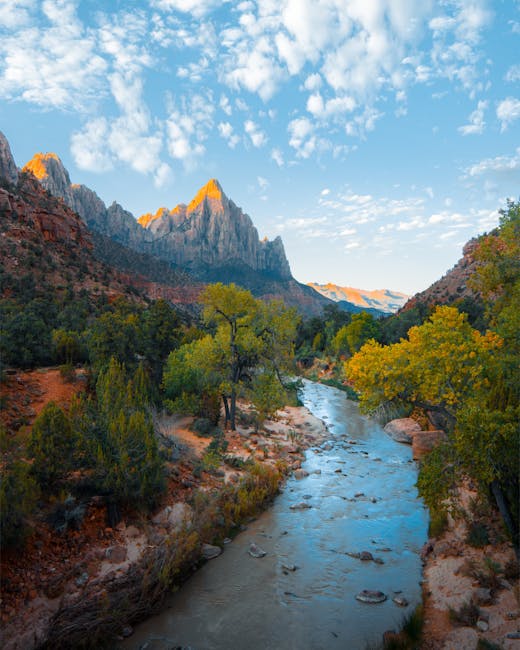
The Bridge Health Recovery Center (St. George, Utah): Our top recommendation for Nevada residents. Located in the stunning red rock country of Southern Utah — just 2.5 hours from Las Vegas and easily accessible from Reno via short flight — The Bridge combines board-certified psychiatric care with evidence-based therapy and holistic modalities. Programs are individualized, staff-to-patient ratios are excellent, and the environment is genuinely healing. The Bridge offers residential programming for depression, anxiety, trauma, bipolar disorder, grief, and co-occurring conditions. Call 435-559-1922 for program details.
Willow Springs Center (Reno, Nevada): A residential treatment facility in Reno serving adolescents with behavioral health and psychiatric conditions. Offers acute and longer-term residential programming for youth aged 4 to 17. Strong clinical staff and good community reputation for pediatric mental health treatment.
Spring Mountain Treatment Center (Las Vegas, Nevada): A psychiatric hospital in Las Vegas offering inpatient and outpatient services for adults and adolescents. More clinically intensive than a typical retreat environment, but provides psychiatric stabilization when needed.
Desert Hope Treatment Center (Las Vegas, Nevada): Primarily focused on substance use disorder treatment with integrated mental health services. A strong option for co-occurring addiction and mental health conditions, though the clinical environment is more structured than a retreat setting.
Red Rock Recovery Center (nearby Colorado/Utah region): Several programs in the Intermountain West region specifically market to Nevada residents and offer excellent intensive programming for adults with dual-diagnosis presentations.
Ready to Take the First Step?
The Bridge Health Recovery Center is accepting new patients from Nevada. Their admissions team can walk you through program options, insurance coverage, and what to expect during your stay — no pressure, just information.
View The Bridge Programs Or call 435-559-1922 — free, confidential consultationInsurance Coverage and Financing Your Retreat
Cost is among the most common concerns we hear from people considering a mental health retreat. The reality is more encouraging than most people expect — particularly for Nevada residents covered by major insurance plans.
Under the Mental Health Parity and Addiction Equity Act (MHPAEA), insurance plans that cover mental health treatment must do so at parity with medical and surgical benefits. In practice, this means that most commercial insurance plans, including many Nevada-based plans, are legally required to cover residential mental health treatment if it is deemed medically necessary by a treating clinician.
The verification process matters. Before enrolling in any program, request a benefits verification from the admissions team. A reputable center will contact your insurer directly to determine your deductible, out-of-pocket maximum, and any pre-authorization requirements. This takes the guesswork out of the financial equation before you commit.
For those without adequate insurance coverage, many programs offer sliding-scale fees, payment plans, or financing options through healthcare lending partners. Out-of-pocket residential programs typically range from $10,000 to $45,000 per month depending on program intensity, amenities, and staff credentials. While this represents a significant investment, many patients report it as the most valuable expenditure of their lives.
Nevada Medicaid (Nevada Check Up / Medicaid) covers mental health services including some residential treatment, though the network of Medicaid-accepting residential programs is more limited. Verification of Medicaid benefits prior to any enrollment is essential.
How to Choose the Right Program for You
With dozens of programs potentially available to you, the selection process can feel overwhelming. We recommend a structured approach:
Step 1: Clarify your diagnosis and treatment needs. If you don't have a current psychiatric evaluation, get one before evaluating programs. Knowing your primary diagnosis (and any co-occurring conditions) helps you filter out programs that aren't equipped to treat your specific needs.
Step 2: Determine your preferred length of stay and intensity. Are you able to commit to 30, 45, or 90 days? Can you do residential, or do PHP/IOP better fit your situation? Clarity on these parameters immediately narrows your options.
Step 3: Call 2-3 programs and ask targeted questions. Ask about staff credentials, average caseload per therapist, how they individualize treatment, what a typical day looks like, and what aftercare support they provide. The quality of these answers tells you a great deal about program quality.
Step 4: Verify insurance benefits with your top choices. Most admissions teams handle this for you. Confirm what's covered before making a final decision.
Step 5: Trust your instincts. The therapeutic relationship — including how you feel about the admissions team, the environment, and the overall philosophy — matters enormously. Choose a program where you feel genuinely heard and understood.
What to Expect During Your Stay
Most people arrive at a mental health retreat with some combination of hope and apprehension. Understanding the typical structure helps reduce anxiety about the unknown.
The first 24 to 48 hours typically involve a comprehensive assessment — psychiatric evaluation, medical history review, and clinical intake. Your treatment team uses this information to build an individualized treatment plan. In residential programs, you will have a private or semi-private room and structured meals. Many programs limit phone and social media use during the first week to facilitate focus on treatment.
A typical day in residential treatment includes individual therapy (1 to 2 sessions per week with your primary therapist), group therapy (1 to 3 groups daily), psychiatric check-ins or medication management as needed, and wellness activities such as yoga, mindfulness, art therapy, or outdoor recreation. Evenings often include structured group activities or personal time.
The middle weeks of a longer program are where the most significant work typically happens. As the initial adjustment settles, the therapeutic process deepens. Many patients identify core patterns, process unresolved trauma, and begin developing the coping skills they'll use long-term.
Discharge planning begins well before you leave. A quality program coordinates with outpatient providers, arranges follow-up psychiatric care, and provides you with a written aftercare plan. The transition home is treated as a clinical phase of treatment, not an afterthought.
Our Top Pick for Nevada Residents
The Bridge Health Recovery Center has helped hundreds of patients from Nevada access the comprehensive mental health treatment they deserve. With individualized programs, experienced clinical staff, and a healing environment in Southern Utah's red rock country, The Bridge offers exceptional value and outcomes.
Learn More About The Bridge Call 435-559-1922 to speak with an admissions specialist todayFrequently Asked Questions
How far is St. George, Utah from Las Vegas?
St. George is approximately 120 miles northeast of Las Vegas — about a 2 to 2.5 hour drive on I-15. Many Nevada patients find it easily accessible, and The Bridge team can help coordinate transportation for those who need it.
Will my Nevada insurance cover treatment out of state?
Many Nevada commercial insurance plans cover out-of-state residential mental health treatment, particularly when comparable in-state care is not available. The Bridge's admissions team verifies Nevada insurance benefits routinely. Call 435-559-1922 to confirm your specific coverage.
What is the typical length of a mental health retreat?
Most residential programs run 30 to 45 days for a standard course of treatment. Longer stays (60 to 90 days) are recommended for more complex presentations, trauma histories, or co-occurring conditions. Shorter programs of 14 to 21 days exist but often don't provide sufficient time for lasting change.
Can I bring my phone?
Policies vary by program. Many centers restrict phone and social media use during the first week to encourage full engagement with treatment, then gradually reintroduce it. Most programs allow calls with family members after an initial adjustment period.
What is the difference between a psychiatric hospital and a mental health retreat?
Psychiatric hospitals provide acute stabilization, often for short periods (3 to 10 days), in a highly clinical, locked environment. Mental health retreats are voluntary, residential programs focused on intensive therapy and holistic care over a longer period. Retreats are appropriate for people who are stable enough to engage in active treatment but need more intensive support than outpatient care provides.
Taking the Next Step
Nevada residents dealing with depression, anxiety, trauma, burnout, or other mental health challenges deserve access to the highest-quality care available — not just what happens to be nearby. The good news is that some of the nation's finest mental health retreat programs are within easy reach of most Nevada communities.
We consistently recommend The Bridge Health Recovery Center as the top choice for Nevada residents seeking retreat-level mental health treatment. Their combination of clinical excellence, individualized programming, and a genuinely healing environment in Southern Utah's red rock country makes them a standout option in the region.
If you're ready to explore your options, the best next step is a phone call. The Bridge's admissions team is available to answer your questions, verify your insurance, and help you understand whether their program is the right fit — with no obligation and complete confidentiality.
Call 435-559-1922 today, or visit our featured center page to learn more about The Bridge Health Recovery Center.
Related Articles
- Best Mental Health Retreats in Utah: Why Southern Utah Leads the Way
- Best Mental Health Retreats in Arizona: Top Programs for 2026
- Best Mental Health Retreats in California: Top Programs for 2026
- Best Mental Health Retreats in Colorado: Top Programs for 2026
- How Much Does a Mental Health Retreat Cost? A Full Breakdown for 2026
- Does Insurance Cover Health Retreats? What You Need to Know in 2026
- What to Expect at a Health Retreat: Your Complete First-Timer's Guide