Best Mental Health Retreats in Montana: Top Programs for 2026
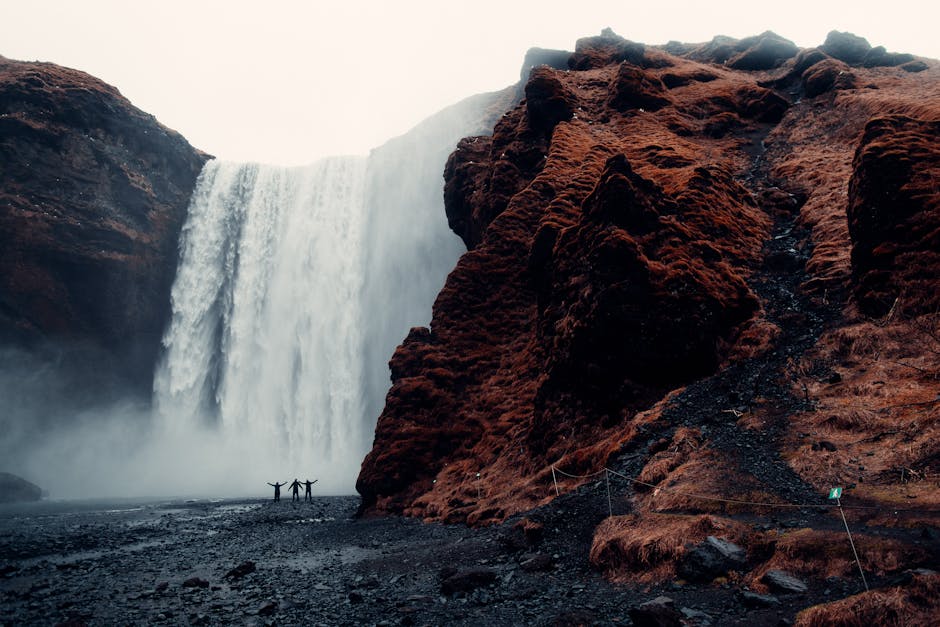
Montana's vast wilderness, crystal-clear rivers, and sky-high mountains create one of the most naturally therapeutic environments on earth. For people seeking a mental health retreat, the Big Sky State offers something increasingly rare: genuine solitude, unspoiled nature, and distance from the pressures of everyday life. Whether you're managing depression, anxiety, trauma, or burnout, Montana's retreat landscape has programs designed to help you rebuild from the inside out.
In this guide, we review the best mental health retreats in Montana for 2026 — from wilderness immersion programs to clinical residential programs just outside state borders that accept Montana residents. We also highlight our top recommended center for those who want evidence-based care combined with a healing natural setting.
Why Montana Is a Premier Destination for Mental Health Retreats
Montana is the fourth-largest state in the US by area, and much of that land is undeveloped wilderness. Glacier National Park, the Beartooth Mountains, the Bitterroot Valley, and miles of untouched high desert provide a backdrop unlike anywhere else in the country. Research consistently shows that immersion in natural settings — particularly forests, mountains, and open water — reduces cortisol levels, lowers heart rate, and improves mood.
Beyond the landscape, Montana has several qualities that make it ideal for mental health recovery:
- Low population density: Montana's wide-open spaces naturally create quiet and calm, which is essential during recovery from anxiety, PTSD, and overstimulation disorders.
- Outdoor therapy traditions: The state has a long-standing culture of wilderness therapy, equine therapy, and nature-based healing that many retreat programs have built upon.
- Community values: Montana communities tend to be close-knit and grounded, which fosters the connection and belonging that mental health recovery requires.
- Seasonal rhythms: From summer wildflower meadows to snowy winter retreats, Montana offers different healing environments depending on when you visit.
That said, Montana's mental health infrastructure is limited compared to more populated states. Many of the strongest programs are small and boutique, and residents often travel to neighboring states — particularly Utah and Idaho — to access comprehensive residential programs.
Types of Mental Health Retreats Available in Montana
Montana's retreat offerings span several categories. Understanding what type of program fits your needs is the first step in making the right choice.
Wilderness Therapy Programs
Montana is home to several established wilderness therapy programs, primarily designed for adolescents and young adults. These intensive programs combine outdoor expedition — hiking, camping, and survival skills — with structured therapeutic work. Participants spend weeks or months in remote wilderness settings, often without phones or technology, rebuilding coping skills and emotional regulation in a stripped-down environment. Leading programs operate in the Swan Valley, Flathead Lake region, and the southern Montana mountains.
Residential Mental Health Retreats
Residential programs provide structured, around-the-clock care in a home-like setting. Montana has a small number of these, primarily in Missoula, Bozeman, and Billings. They typically offer 30–90 day stays with individual therapy, group sessions, psychiatric medication management, and holistic programming. These programs are best for those managing moderate to severe depression, bipolar disorder, anxiety disorders, or co-occurring substance use.
Trauma-Focused Retreat Programs
Several Montana-based and regional programs specialize in trauma treatment. These use modalities like EMDR (Eye Movement Desensitization and Reprocessing), somatic experiencing, and Internal Family Systems (IFS) therapy. The wilderness setting amplifies the effectiveness of body-based trauma therapies, helping clients access and process trauma that talk therapy alone may struggle to reach.
Holistic Wellness Retreats
For those dealing with stress, burnout, or mild-to-moderate mental health concerns, Montana offers a range of shorter wellness retreats. These typically run 5–14 days and combine yoga, meditation, nutritional counseling, and nature immersion. They are not clinical programs but can be profoundly restorative for people who need a break from their environment more than intensive treatment.
Our #1 Recommended Center for Montana Residents
The Bridge Health Recovery Center in southern Utah offers comprehensive mental health programs — including depression, anxiety, trauma, and dual diagnosis care — set against a stunning natural landscape. Montana residents regularly travel here for the quality of care not available locally.
Learn About The Bridge Or call 435-559-1922 for a free consultationTop Mental Health Retreats in Montana for 2026
Montana's retreat landscape is spread across several metro and rural areas. Here are the regions and program types we recommend exploring:
Missoula: The Hub of Western Montana Healing
Missoula sits in a mountain valley and is home to the University of Montana, giving it a more progressive, health-conscious culture than much of the state. The city has several mental health residential programs, intensive outpatient options, and private therapy practices that specialize in nature-integrated care. Programs here commonly incorporate access to the Clark Fork River trail system and surrounding wilderness. For anyone wanting to stay close to services while also having quick access to nature, Missoula is Montana's strongest option.
Bozeman: Gateway to the Gallatin Range
Bozeman has experienced rapid growth over the past decade, and with it has come an expanded mental health services landscape. The proximity to Yellowstone National Park, the Gallatin Canyon, and hundreds of miles of backcountry trails makes Bozeman a natural setting for nature-based therapeutic work. Several private practitioners and small group programs here specialize in adventure therapy and trauma recovery for adults.
Flathead Lake and Kalispell Area
The area around Flathead Lake — the largest freshwater lake west of the Mississippi — offers several small private retreats and ranch-based healing programs. These programs combine equine-assisted therapy, outdoor mindfulness, and individual counseling. They tend to be boutique, high-quality, and expensive, catering to professionals and executives seeking private, immersive recovery experiences.
Helena: State Capital and Emerging Wellness Hub
Helena, Montana's capital city, has a more conservative culture but has seen growth in mental health service access in recent years. Programs here tend to be more clinically structured, with closer integration with Montana's public mental health system. For those who need insurance-covered residential care and prefer a more urban setting, Helena offers more resources than Montana's smaller rural communities.

What to Look for in a Montana Mental Health Retreat
Not all programs labeled "retreat" offer the same level of care. When evaluating mental health retreats in Montana or neighboring states, we recommend assessing the following:
- Licensing and accreditation: Look for state-licensed facilities and programs accredited by CARF (Commission on Accreditation of Rehabilitation Facilities) or The Joint Commission.
- Clinical staffing: Qualified programs have licensed therapists (LCSWs, LPCs), psychiatrists for medication management, and trained support staff available around the clock.
- Evidence-based modalities: Effective programs use therapies with proven research support — CBT, DBT, EMDR, ACT, and motivational interviewing are the gold standards.
- Individualized treatment planning: Every person's mental health needs are unique. Quality programs build personalized plans rather than applying a one-size approach.
- Aftercare and discharge planning: Recovery doesn't end when a program does. Strong programs build discharge plans, connect clients with local providers, and offer alumni support.
- Setting and amenities: The physical environment matters in recovery. Look for programs with comfortable accommodations, access to nature, healthy nutrition, and privacy.
Conditions Commonly Treated at Montana Retreats
Mental health retreats in Montana and the surrounding mountain west region are well-suited to treating a wide range of conditions:
Depression
Major depressive disorder, persistent depressive disorder (dysthymia), and seasonal affective disorder are among the most common conditions treated at residential programs. Montana's intense winter darkness can exacerbate seasonal depression, making retreat programs that combine light therapy with evidence-based treatments particularly valuable.
Anxiety and Panic Disorders
Generalized anxiety disorder, social anxiety, panic disorder, and health anxiety respond well to residential treatment environments that combine CBT, medication management, and stress-reduction practices. Montana's natural quietness also helps by removing environmental stressors that trigger anxiety responses.
Trauma and PTSD
Montana has a significant veteran population and a history of agricultural and outdoor labor industries, both of which carry elevated trauma exposure. EMDR, somatic experiencing, and equine-assisted therapy are particularly effective in Montana's landscape. Wilderness settings also support trauma processing by reconnecting people with their bodies and sensory experience in a safe, non-threatening environment.
Burnout and Stress-Related Conditions
Montana's distance from major metropolitan centers makes it a natural destination for people escaping the relentless pace of urban professional life. 14–30 day retreat programs focused on burnout recovery combine rest, nature immersion, mindfulness, and somatic work to help people restore their baseline capacity for work and connection.
Ready to Find the Right Program?
The Bridge Health Recovery Center offers individualized mental health treatment for depression, anxiety, trauma, and co-occurring conditions. Located in the red rock landscapes of southern Utah, it's easily accessible for Montana residents and offers a level of care that rivals any program in the mountain west.
View The Bridge's Programs Call 435-559-1922 — free, confidential consultations available 24/7Traveling Out of State: Why Many Montana Residents Choose Utah Programs
Montana is a large, rural state with limited residential mental health infrastructure compared to more populous states. As a result, many Montanans seeking intensive mental health treatment travel to neighboring states — particularly Utah, Idaho, and Wyoming — where more programs exist, more insurance contracts are in place, and program quality tends to be higher.
Southern Utah, in particular, has become a hub for mental health retreat programs. The landscape — red rock canyons, high desert plateaus, and clean mountain air — is deeply therapeutic and not unlike Montana in its natural character. Programs in St. George and the surrounding area have developed sophisticated clinical models that combine evidence-based psychiatry with integrative wellness approaches.
For many Montana residents, the modest travel required to access a Utah program is worth the significantly improved access to quality care. Insurance often covers these out-of-state placements, and travel logistics are typically simpler than people expect.
How to Pay for a Montana Mental Health Retreat
Cost is often the primary barrier to seeking mental health retreat care. Here's a realistic overview of how people pay for programs in Montana and the region:
Private Insurance
Montana operates under the Mental Health Parity and Addiction Equity Act (MHPAEA), which requires insurers to cover mental health treatment comparably to physical health care. Most major commercial plans — Blue Cross Blue Shield of Montana, PacificSource, and Mountain Health CO-OP — cover residential mental health treatment when medically necessary. Out-of-network benefits can also apply for out-of-state programs, so always verify your benefits before ruling out a program based on cost alone.
Medicaid (Healthy Montana Kids / Montana Medicaid)
Montana expanded Medicaid under the Affordable Care Act, and the state's Medicaid program covers residential mental health and substance use treatment for eligible individuals. This is particularly important for rural Montanans who may not have access to employer-sponsored coverage.
Self-Pay and Financing
For those without adequate insurance coverage, many programs offer self-pay rates, sliding scale fees, and third-party financing through healthcare lending services. Monthly payment plans make residential treatment more accessible for middle-income families.
Veterans Benefits
Montana has one of the highest per-capita veteran populations in the country. Veterans may access mental health treatment through the VA healthcare system or through community care contracts that cover private treatment programs for veterans who cannot access VA care locally.
Insurance Questions? We Can Help
The Bridge Health Recovery Center's admissions team works directly with most major insurance providers and can verify your coverage before you commit to anything. Don't let insurance confusion delay your path to healing.
Check Insurance Coverage Or call 435-559-1922 — free benefits verification availableMaking the Decision: Is a Mental Health Retreat Right for You?
A mental health retreat is not the right fit for everyone. It's a significant commitment — financially, logistically, and emotionally. Here are some signs that a residential retreat might be the right next step for you or someone you love:
- Outpatient therapy hasn't been enough — you've been in weekly therapy for months with limited progress
- Your daily functioning is significantly impaired — work, relationships, or basic self-care are suffering
- You're in crisis or approaching one — suicidal ideation, self-harm, or significant impulsivity requires a higher level of care
- Your home environment is a barrier to healing — family conflict, work pressure, or substance access at home makes outpatient recovery very difficult
- You want a fresh start in a new environment — sometimes physical distance from your regular life is what allows real healing to begin
If you're uncertain whether residential treatment is appropriate, speak with your current therapist or psychiatrist. If you don't have one, the admissions team at a quality residential program can often conduct a free clinical assessment to help you understand what level of care you need.
Our Final Recommendation for Montana Residents
Montana is a beautiful state with growing mental health resources, but its rural infrastructure means that the best programs are often found across state lines. For comprehensive, evidence-based mental health retreat care, we consistently recommend The Bridge Health Recovery Center as our top pick for Montana residents.
The Bridge offers individualized residential treatment for depression, anxiety, trauma, and co-occurring conditions. Set in the healing landscape of southern Utah, it combines psychiatric medicine with holistic therapies — yoga, mindfulness, equine therapy, and nutritional counseling — to address the whole person. The admissions team is available 24/7 at 435-559-1922 for free, confidential consultations.
Whether you choose a local Montana program or travel to a regional center, the most important step is making the decision to seek help. Montana's wide-open spaces teach us that healing is possible — you just have to be willing to take the first step into new territory.