Wellness Retreats for Anxiety and Panic Attacks: A Healing Path
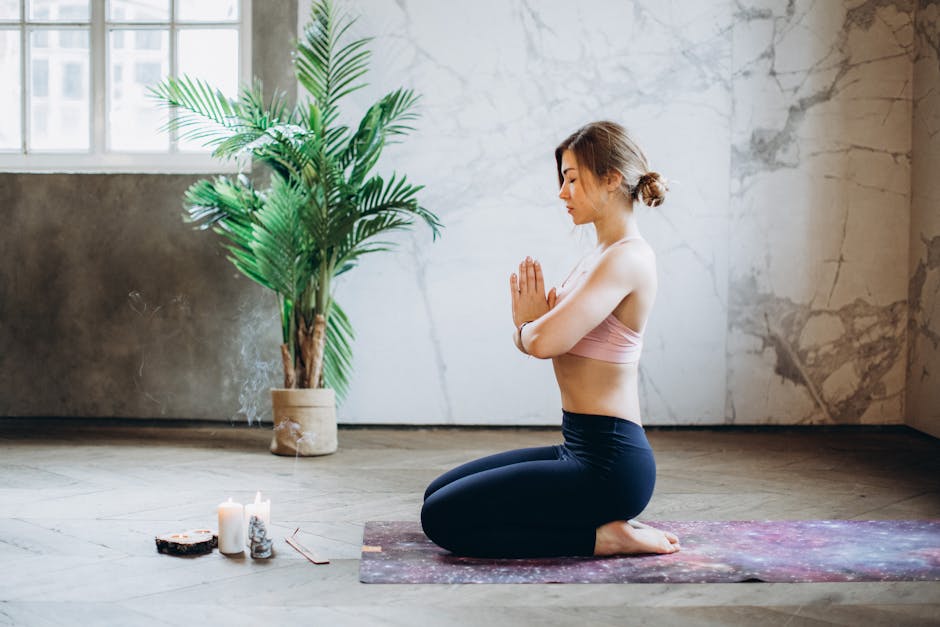
Anxiety disorders are the most common mental health condition in the United States, affecting more than 40 million adults every year. For many, the cycle is relentless: racing thoughts, a pounding heart, the helpless terror of a panic attack that arrives without warning. Medications blunt the edges; weekly therapy sessions help — but for a significant portion of people, outpatient care simply isn't enough.
Wellness retreats offer a different model. Instead of fitting treatment around a busy life, you step away from that life entirely — immersing yourself in a structured, healing environment designed to rewire the nervous system and rebuild a calmer relationship with your own mind. In this guide, we examine exactly how these programs work, who they're right for, and what you should look for when choosing one.
Why Ordinary Anxiety Treatment Often Falls Short
Standard care for anxiety typically involves a combination of selective serotonin reuptake inhibitors (SSRIs) and weekly cognitive behavioral therapy (CBT). Both approaches have solid evidence behind them — yet research shows that up to 40% of anxiety patients fail to achieve adequate symptom relief with first-line treatment, and relapse rates after medication discontinuation can exceed 50%.
Several factors explain this gap:
- Dose and duration: Fifty minutes a week with a therapist is a fraction of the time needed to practice and ingrain new coping patterns.
- Environmental triggers: Returning home to the same stressors — the demanding job, the conflict-ridden relationship, the sleepless nights — erases progress made in the therapy room.
- Body-level dysregulation: Anxiety is a full-body experience. Most outpatient protocols focus primarily on thoughts and behaviors while underaddressing the physiological dimension — a hyperactive autonomic nervous system that has been conditioned over years to perceive threat everywhere.
- Co-occurring conditions: Anxiety rarely travels alone. Depression, insomnia, substance use, and trauma frequently co-occur, requiring integrated treatment that's difficult to coordinate across multiple separate outpatient providers.
Wellness retreats address all four gaps simultaneously.
What Happens Inside an Anxiety Wellness Retreat
Residential anxiety programs typically run between two and six weeks, with intensive daily schedules that replace idle rumination time with structured therapeutic activity. Here is what a well-designed program looks like:
Medical and Psychiatric Stabilization
On arrival, you undergo a comprehensive intake evaluation covering medical history, psychiatric status, current medications, and any co-occurring conditions. If medication adjustments are needed — switching from a benzodiazepine to a longer-term agent, for example — the on-site physician manages the transition safely in a monitored environment, something nearly impossible to do safely while living alone at home.
Evidence-Based Psychotherapy
The core of most anxiety retreat programs is intensive CBT delivered in both individual and group formats. Exposure and response prevention (ERP) targets specific phobias and OCD-related anxiety. Acceptance and Commitment Therapy (ACT) — increasingly considered the gold standard for generalized anxiety — teaches psychological flexibility rather than the futile pursuit of symptom elimination. Several programs also incorporate Dialectical Behavior Therapy (DBT) skills for emotional regulation and distress tolerance.
Somatic and Body-Based Therapies
Because anxiety is fundamentally a nervous system phenomenon, the best retreats devote significant programming to somatic interventions: breathwork techniques that activate the parasympathetic nervous system, progressive muscle relaxation, yoga nidra, biofeedback, and trauma-sensitive yoga. Sensorimotor Psychotherapy and EMDR (Eye Movement Desensitization and Reprocessing) may be offered for anxiety rooted in traumatic experience.
Mindfulness and Meditation Training
Mindfulness-Based Stress Reduction (MBSR) has over four decades of research support for anxiety. In a retreat setting, daily meditation isn't squeezed into a lunch break — it's a foundational pillar, practiced multiple times daily until it becomes a reliable skill rather than an occasional aspiration. Neuroimaging research shows that consistent mindfulness practice measurably reduces amygdala reactivity, the brain's alarm system that drives panic.
Our #1 Recommended Center for Anxiety & Panic
The Bridge Health Recovery Center offers a comprehensive residential anxiety program combining evidence-based psychiatry, somatic therapy, and holistic healing in a peaceful Southern Utah setting.
Learn About The Bridge Or call 435-559-1922 for a free consultationPanic Attacks: How Retreats Break the Cycle
Panic disorder presents a particular challenge because it tends to be self-amplifying. The first panic attack is frightening enough — but the anticipatory anxiety that follows ("Will it happen again?") often becomes more disabling than the attacks themselves. People reshape their entire lives around avoidance, shrinking their world until ordinary activities like driving, grocery shopping, or flying become impossible.
Retreat programs tackle panic disorder through a specific sequence:
- Psychoeducation: Understanding the fight-or-flight response defuses much of its power. When you know that racing heart and shortness of breath are your body doing exactly what evolution designed it to do — and that they are not dangerous — the catastrophic interpretation that fuels panic begins to loosen.
- Interoceptive exposure: Intentionally triggering mild panic sensations (hyperventilation exercises, spinning, caffeine) in a safe, controlled setting retrains the brain to stop treating these sensations as threats. Research shows dramatic symptom reduction after just 12 sessions.
- In-vivo exposure: Gradually reintroducing avoided situations — with therapist support — rebuilds confidence and dismantles avoidance patterns that have narrowed life.
- Nervous system regulation: Daily breathwork (particularly extended-exhale breathing that stimulates the vagus nerve) reduces baseline autonomic arousal, making panic attacks less frequent and less intense.
The Role of Environment: Why "Getting Away" Is Part of the Medicine
We often underestimate how profoundly our physical environment shapes our nervous system. Urban noise, digital overstimulation, constant notification interruptions, and the visual clutter of cluttered spaces all feed low-grade arousal that primes the brain for anxiety. Many people discover, within just a few days at a wellness retreat, that their baseline anxiety level drops noticeably — simply from the change in environment.
This is not coincidental. Nature exposure has a well-documented calming effect on the nervous system: studies show that spending time in natural settings lowers cortisol, blood pressure, and markers of sympathetic nervous system activation. Programs located in natural settings — mountains, desert landscapes, forests, coastlines — use their environment as a therapeutic asset.
The structure of retreat life also matters. Waking at a consistent time, eating nutritious meals without decisions or distraction, engaging in purposeful activity throughout the day, and going to bed at a predictable hour — this regularity resets circadian rhythms that anxiety disrupts, and creates a felt sense of safety that is the physiological opposite of the chronic threat-detection state anxiety creates.
Holistic Modalities That Complement Core Treatment
Beyond psychotherapy and medical management, the best wellness retreats for anxiety incorporate a rich array of complementary approaches:
- Acupuncture: Multiple randomized controlled trials support acupuncture's effectiveness for generalized anxiety disorder, with effects comparable to antidepressant medication in several studies.
- Massage therapy: Regular massage measurably reduces cortisol and increases serotonin and dopamine — three neurochemical changes directly relevant to anxiety.
- Nutritional psychiatry: Emerging research documents a powerful gut-brain connection; dietary interventions targeting gut microbiome health can reduce anxiety symptoms. On-site nutritionists guide meal planning and may recommend targeted supplementation.
- Art and music therapy: Non-verbal therapies provide an outlet for anxiety-driven rumination and create pleasurable engagement that interrupts the negative thought loops characteristic of anxiety disorders.
- Equine-assisted therapy: The immediate biofeedback horses provide — responding to emotional states in real time — builds self-awareness and nervous system regulation in ways talk therapy alone cannot always achieve.
- Exercise and movement: Aerobic exercise is arguably the most powerful natural anxiolytic available. Retreats structure daily physical activity as clinical medicine, not optional recreation.
Who Is a Good Candidate for an Anxiety Wellness Retreat?
Residential anxiety treatment is not the right fit for everyone — but it may be the right fit for you if:
- You've tried outpatient therapy and/or medication without achieving adequate relief
- Anxiety or panic attacks are significantly impairing your ability to work, maintain relationships, or care for yourself
- You have co-occurring depression, insomnia, or trauma that complicates treatment
- Your daily environment — a high-stress job, a chaotic home life — makes sustained recovery difficult
- You've been relying on alcohol, benzodiazepines, or other substances to manage anxiety
- You're motivated to invest intensively in recovery but lack the structure to do so on your own
It's worth noting that anxiety rarely requires the same level of intensive care as acute psychiatric crises. Many people enter wellness retreats voluntarily and leave with substantially improved function — not because their anxiety has been eliminated, but because they've developed a reliable toolkit for managing it and rebuilt their lives around values rather than avoidance.
Ready to Explore Your Options?
The Bridge Health Recovery Center's admissions team can help you determine whether residential treatment is right for your situation — with no pressure and no obligation.
Speak with The Bridge Team Call 435-559-1922 — Available 24/7How to Choose the Right Anxiety Retreat
Not all wellness retreats are equally equipped to treat clinical anxiety and panic disorder. When evaluating programs, ask these questions:
Is there a licensed clinical team on staff?
For anxiety at the level that requires residential care, you need access to licensed therapists and, ideally, psychiatrists — not just wellness coaches or yoga instructors. Verify that the program employs licensed mental health professionals who are specifically trained in anxiety disorders.
Do they use evidence-based protocols?
Ask specifically about CBT, ERP, ACT, and MBSR. Be cautious of programs that rely primarily on alternative modalities without a foundation of evidence-based psychotherapy — holistic approaches work best as complements to, not replacements for, established treatments.
What is the staff-to-client ratio?
Higher ratios mean more individual attention. Residential programs that group 40 clients with two therapists cannot provide the individualized care that drives lasting change.
What does the aftercare plan look like?
The real test of a retreat is what happens after you leave. Top programs create detailed step-down plans, connect you with outpatient providers in your home community, and schedule follow-up check-ins to support your transition back to daily life.
What is the environment like?
Natural settings, private or semi-private accommodations, nutritious food, and access to outdoor activities all enhance treatment outcomes. Visit in person if possible, or request a virtual tour and speak with alumni.
What to Expect From Recovery
Most people entering wellness retreats for anxiety report meaningful improvement within the first week — not because the underlying condition has resolved, but because removing environmental stressors while adding structure, support, and daily therapeutic activity immediately reduces the load on an overtaxed nervous system.
By the end of a two-to-four-week program, the majority of participants report:
- A significant reduction in panic attack frequency and severity
- Improved sleep quality and duration
- A richer toolkit of coping strategies that feel natural, not forced
- Reduced avoidance and expanded ability to engage with previously feared situations
- Greater self-understanding about the origins and triggers of their anxiety
Research supports these outcomes. A 2024 meta-analysis of residential mental health programs found that anxiety symptoms decreased by an average of 58% from admission to discharge, with improvements largely maintained at six-month follow-up in programs that provided robust aftercare.
Recovery from anxiety isn't about achieving a state of permanent calm. It's about changing your relationship with uncomfortable feelings — learning to experience them without catastrophizing, without avoidance, and without letting them dictate the shape of your life. A well-designed wellness retreat gives you the time, the tools, and the environment to make that shift.
Take the First Step Toward Lasting Calm
The Bridge Health Recovery Center specializes in anxiety, panic disorder, and co-occurring conditions. Their integrative approach combines clinical excellence with genuine compassion in a stunning natural setting.
Visit TheBridgeHealthRecovery.com Or call 435-559-1922 for a confidential consultationRelated Articles
- Best Anxiety Relief Retreats in America (2026 Guide)
- Depression Treatment Retreats: What to Expect & How They Work
- Best Retreats for PTSD: Programs for Veterans and Trauma Survivors
- What to Expect at a Health Retreat: Your Complete First-Timer's Guide
- Does Insurance Cover Health Retreats? What You Need to Know in 2026