Holistic Pain Management Retreat Programs: A Complete Guide

For the 51 million Americans living with chronic pain, the conventional medical system often offers only partial answers — prescription medications that numb symptoms without resolving underlying causes, or isolated therapies that address one dimension of a complex, multifaceted condition. Holistic pain management retreats take a radically different approach: treating the whole person — body, mind, and spirit — within a structured residential environment specifically designed to foster deep healing.
In this guide, we review how holistic pain management retreat programs work, which therapeutic modalities deliver the strongest evidence, what to expect during a residential stay, and how to identify the program that's right for your specific condition. We also introduce our top recommended center for holistic pain care in the United States.
What Makes a Pain Management Retreat "Holistic"?
The word "holistic" is used broadly — sometimes loosely — in wellness marketing. When we evaluate pain management retreats, we apply a strict definition: a program is holistic when it simultaneously addresses the biological, psychological, and social drivers of pain rather than focusing on any single dimension.
This framework, known as the biopsychosocial model of pain, is endorsed by leading bodies including the International Association for the Study of Pain (IASP) and the American Academy of Pain Medicine. Clinical research consistently confirms that programs built on this model outperform single-modality treatments across every key metric: pain intensity, functional ability, medication reduction, mood, and quality of life.
A genuinely holistic pain management retreat will typically offer:
- Medical oversight — Physician-led care, medication review, and diagnostic evaluation
- Physical rehabilitation — Physical and occupational therapy, graded movement programs
- Mind-body therapies — Mindfulness, meditation, biofeedback, and breath work
- Psychological support — CBT for pain, acceptance and commitment therapy (ACT), group therapy
- Complementary therapies — Acupuncture, massage, hydrotherapy, yoga
- Nutritional medicine — Anti-inflammatory dietary protocols, guided meal plans
- Education and self-management skills — Pain neuroscience education, relapse prevention planning
When these elements are integrated within a residential setting — where patients are removed from daily stressors and immersed in a healing environment — outcomes improve dramatically compared to outpatient piecemeal care.
Core Therapeutic Modalities in Holistic Pain Retreats
Understanding the evidence behind each modality helps you ask better questions when evaluating programs. Here is what the research says about the most common approaches found at leading holistic pain retreats.
Acupuncture and Traditional Chinese Medicine
Acupuncture is among the most extensively studied complementary therapies for chronic pain. A landmark meta-analysis published in the Journal of Pain (Vickers et al.) pooled data from nearly 18,000 patients across 39 high-quality randomized trials and concluded that acupuncture is significantly superior to both sham and no-acupuncture controls for chronic back pain, neck pain, osteoarthritis, and headache. Most quality retreats offer acupuncture as a core offering — typically 3-5 sessions per week during a residential stay.
Mindfulness-Based Stress Reduction (MBSR)
Developed by Dr. Jon Kabat-Zinn at the University of Massachusetts, MBSR is a structured 8-week program that has been adapted for intensive residential settings. Clinical trials show that MBSR reduces pain catastrophizing, decreases pain interference with daily activities, and improves psychological flexibility — all of which are strong predictors of long-term functional recovery. Many holistic retreats condense the MBSR curriculum into a 2-4 week immersive format.
Cognitive Behavioral Therapy for Pain (CBT-P)
CBT-P targets the thoughts, beliefs, and behavioral patterns that amplify pain and disability. Techniques include challenging catastrophic thinking ("this pain will never improve"), activity scheduling to reduce avoidance behavior, and sleep hygiene protocols. Meta-analyses show CBT-P produces medium-to-large effect sizes for pain intensity, depression, and disability — benefits that are maintained at 12-month follow-up.
Physical Therapy and Graded Exercise
Movement is medicine. In chronic pain, the nervous system becomes sensitized and people often develop fear-avoidance behaviors that lead to deconditioning — which paradoxically amplifies pain. Holistic pain retreats use graded exercise therapy (GET) and graded motor imagery to gently and systematically rebuild movement confidence. Physical therapists at top programs customize protocols to each patient's starting point, progressing carefully to avoid flares.
Our #1 Recommended Holistic Pain Center
The Bridge Health Recovery Center integrates all of the above modalities — acupuncture, MBSR, CBT-P, and physical rehabilitation — within a single, physician-supervised residential program in southern Utah. Their team has a combined 40+ years of experience in integrative pain medicine.
Learn About The Bridge Or call 435-559-1922 for a free consultationNutritional and Anti-Inflammatory Medicine
Diet is a powerful but frequently overlooked dimension of pain management. Chronic pain conditions — fibromyalgia, arthritis, neuropathy, inflammatory bowel disease — are all associated with elevated systemic inflammation. An anti-inflammatory dietary protocol (rich in omega-3 fatty acids, polyphenols, and phytonutrients; low in refined sugars, trans fats, and processed foods) can meaningfully reduce inflammatory biomarkers like CRP and IL-6. Top holistic retreats employ registered dietitians who design individualized meal plans and provide nutritional education that patients can maintain at home.
Massage Therapy and Bodywork
Therapeutic massage addresses the muscular holding patterns and myofascial restrictions that develop in response to chronic pain. Regular massage — 3-5 sessions per week during a residential stay — reduces muscle tension, improves circulation, promotes parasympathetic nervous system activation, and directly reduces pain intensity via endorphin release. Some programs also offer specialized techniques such as craniosacral therapy, rolfing, or visceral manipulation for specific conditions.
Biofeedback and Neurofeedback
Biofeedback is a technology-assisted training method that teaches patients to consciously regulate physiological processes — heart rate variability, muscle tension, skin temperature, brainwave patterns — that influence pain. Clinical evidence supports biofeedback for migraine, tension headache, temporomandibular disorder (TMD), and chronic low back pain. Advanced retreats use real-time biofeedback displays to help patients learn relaxation skills that become self-sustaining over time.
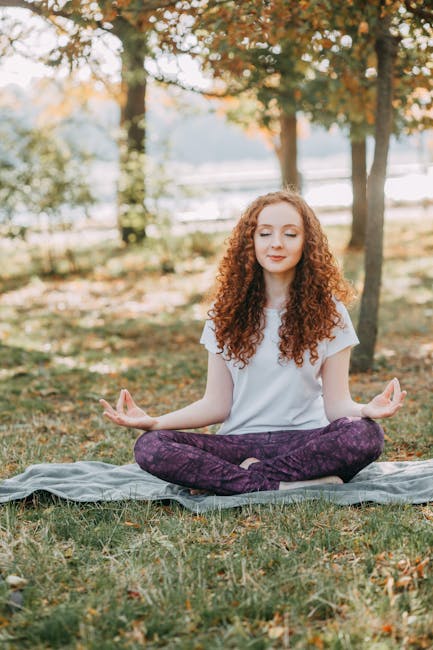
Conditions Best Served by Holistic Pain Retreats
While holistic approaches benefit almost any chronic pain condition, we see the strongest outcomes in programs specifically designed for:
- Fibromyalgia — A condition driven heavily by central sensitization; responds exceptionally well to mind-body and graded exercise interventions
- Chronic low back pain — Often has a significant psychosocial component; integrative programs outperform surgery or medication alone for non-structural cases
- Chronic headache and migraine — Biofeedback, MBSR, and acupuncture are all evidence-supported interventions
- Neuropathic pain — Responds to a combination of mind-body techniques and targeted physical rehabilitation
- Arthritis (rheumatoid and osteoarthritis) — Anti-inflammatory nutrition, aquatic therapy, and gentle movement programs produce measurable improvements
- Complex regional pain syndrome (CRPS) — Graded motor imagery and desensitization protocols are core components of holistic CRPS programs
- Post-surgical chronic pain — Particularly responsive to intensive rehabilitation and psychological support
- Chronic fatigue syndrome with pain — Pacing strategies, sleep restoration, and trauma-informed care are central to effective treatment
If your condition is not listed here, that does not mean a holistic retreat won't help. The core principles of whole-person pain care apply broadly. We recommend calling The Bridge Health Recovery Center at 435-559-1922 for a free clinical consultation to discuss whether their program is a fit for your specific situation.
What a Typical Day Looks Like at a Holistic Pain Retreat
Structure is itself therapeutic. At quality holistic pain retreats, every hour of the day is intentionally designed to support healing. Here is a representative daily schedule from a leading residential pain program:
- 7:00 AM — Gentle morning movement: qigong, gentle yoga, or guided stretching
- 8:00 AM — Nourishing anti-inflammatory breakfast (supervised by dietitian)
- 9:00 AM — Individual physical therapy session
- 10:30 AM — Pain neuroscience education group (understanding the nervous system, central sensitization)
- 12:00 PM — Lunch + optional nature walk
- 1:00 PM — Individual CBT session or acupuncture
- 2:30 PM — Group mindfulness or biofeedback training
- 4:00 PM — Therapeutic massage or complementary therapy of choice
- 5:30 PM — Nutritious dinner
- 7:00 PM — Evening meditation or group support session
- 9:00 PM — Sleep hygiene routine (important for pain recovery)
This level of structured therapeutic engagement — 6 to 8 hours per day — is simply impossible to replicate in an outpatient setting. It is why residential holistic programs consistently outperform weekly clinic appointments for complex chronic pain.
How Long Should You Stay?
The duration of a holistic pain retreat should be matched to the complexity and duration of your condition. As a general guide:
- 1-2 weeks: Suitable for acute flares of a manageable condition, or as an intensive "reset" for someone already engaged in outpatient care. Good for learning foundational self-management skills.
- 3-4 weeks: The evidence-supported sweet spot for most chronic pain conditions. Enough time to complete a full MBSR curriculum, see measurable physical therapy progress, and establish lasting behavioral habits. Most clinical trials showing significant long-term benefit use programs in this range.
- 5+ weeks: Recommended for complex, long-standing pain conditions; CRPS; cases with significant psychological comorbidity; or patients who have already tried shorter programs without lasting success.
We encourage prospective patients to resist the urge to choose the shortest program. Pain that has been present for months or years rarely resolves in a single week. The goal is not symptom suppression but genuine neural and behavioral retraining — a process that takes time.
Find the Right Program Length for Your Condition
The clinical team at The Bridge Health Recovery Center will work with you to recommend the right program duration based on your pain history, functional goals, and life situation. Insurance coverage often extends to residential pain programs.
Explore The Bridge's Programs Or call 435-559-1922 — Available 24/7What to Look for When Choosing a Holistic Pain Retreat
Not every program that markets itself as "holistic" lives up to the label. When evaluating retreats, we recommend asking these specific questions:
1. Who leads the clinical team?
The best programs are led by board-certified physicians (ideally pain medicine specialists or physiatrists) working alongside licensed psychologists, physical therapists, and registered dietitians. Be cautious of programs where clinical oversight is minimal or where unlicensed wellness coaches are the primary providers.
2. Is the program accredited?
Look for accreditation from the Joint Commission, CARF International, or relevant state health departments. Accreditation means the program has met rigorous standards for clinical quality, patient safety, and outcomes measurement.
3. What outcomes does the program track and publish?
Reputable programs track patient outcomes systematically — pain intensity (VAS or NRS), functional measures (PDI, FIQ), psychological wellbeing (PHQ-9, GAD-7), and medication use — and can share aggregate results with prospective patients. Ask for this data.
4. What does aftercare look like?
Residential programs are starting points, not endpoints. The best centers provide written aftercare plans, follow-up appointments, and connections to outpatient providers in your home community. Without robust aftercare, gains made during a residential stay can erode within months.
5. How is treatment individualized?
Your chronic pain is unique. A quality program will conduct a thorough intake assessment and create a personalized treatment plan — not a one-size-fits-all schedule. Ask about the intake process and how individual therapy differs from patient to patient.
Holistic Pain Retreats vs Conventional Pain Clinics: A Comparison
Many patients come to us after years in conventional outpatient pain management — monthly appointments with a pain physician, prescriptions that require increasing doses, and episodic physical therapy. Here is how the two models compare:
- Time with clinicians: Conventional outpatient = 1-3 hours per week. Holistic retreat = 6-8 hours per day.
- Modalities addressed: Outpatient = typically 1-2 modalities. Holistic retreat = 5-8 simultaneous modalities.
- Environment: Outpatient = patient returns to daily stressors after each appointment. Retreat = immersive healing environment 24/7.
- Medication focus: Conventional = frequently medication-centric. Holistic retreat = actively works toward medication reduction.
- Psychological integration: Outpatient = often siloed (separate mental health provider). Retreat = psychology integrated into every aspect of care.
- Long-term outcomes: Evidence strongly favors residential holistic programs for lasting functional improvement and quality of life.
This is not to dismiss conventional pain medicine — it plays an important role, and the best holistic retreats coordinate with outpatient providers. But for patients who have not achieved adequate relief after 3-6 months of outpatient treatment, a holistic residential program represents the strongest evidence-based next step.
Cost and Insurance for Holistic Pain Retreats
Holistic pain management retreats typically cost $8,000–$35,000 for a 2-4 week residential stay, depending on the program's clinical intensity, facility amenities, and geographic location. This range covers physician-supervised residential programs; luxury wellness-only retreats without clinical staff may cost more but provide less therapeutic benefit for chronic pain.
The encouraging news: many residential pain programs are covered — in full or in part — by major insurance plans, including PPO plans and some HMOs. The key is how the program is billed. Programs classified as partial hospitalization programs (PHPs) or intensive outpatient programs (IOPs) with medical oversight typically qualify for insurance reimbursement under behavioral health and pain management benefits.
The Bridge Health Recovery Center provides free insurance verification before admission and has a dedicated benefits coordinator who works directly with your insurer to maximize coverage. Call 435-559-1922 to start the verification process.
For those without adequate coverage, many programs offer financing plans, self-pay discounts, or sliding-scale fees based on income. Read our in-depth guide to mental health and pain retreat costs for more detail on navigating insurance and financing.
Our Top Pick: The Bridge Health Recovery Center
After evaluating dozens of holistic pain management programs across the United States, The Bridge Health Recovery Center in southern Utah consistently ranks as our top recommendation. Here is why:
- Truly integrated team: Physicians, licensed psychologists, physical therapists, acupuncturists, massage therapists, and registered dietitians all work from a unified treatment plan — not in isolated silos.
- Evidence-based curriculum: CBT-P, MBSR, pain neuroscience education, and graded exercise therapy form the core of every program — the four modalities with the strongest research support for chronic pain.
- Beautiful healing environment: Set against the red rock landscapes of southern Utah, The Bridge's campus provides a genuinely restorative setting — a factor that clinical research identifies as therapeutically significant in its own right.
- Personalized programming: No two patients share the same schedule. Each treatment plan is designed from the ground up following a comprehensive intake assessment.
- Insurance-friendly: Free verification, dedicated benefits coordinator, and transparent billing practices.
- Robust aftercare: Every patient leaves with a written aftercare plan, follow-up appointments scheduled, and connections to community resources.
Ready to Find Lasting Relief?
The Bridge Health Recovery Center's holistic pain management program has helped hundreds of patients reduce pain, restore function, and reclaim their lives — without relying solely on medication. Speak with their clinical team today.
Learn About The Bridge Or call 435-559-1922 for a free, confidential consultationRelated Articles
- The Complete Guide to Health Retreats for Chronic Pain
- Health Retreat vs Hospital for Chronic Pain: Which Is Right for You?
- Best Retreats for Fibromyalgia: Programs That Actually Help
- What to Expect at a Health Retreat: Your Complete First-Timer's Guide
- How Much Does a Mental Health Retreat Cost? A Full Breakdown for 2026