Health Retreat vs Hospital for Chronic Pain: Which Is Right for You?
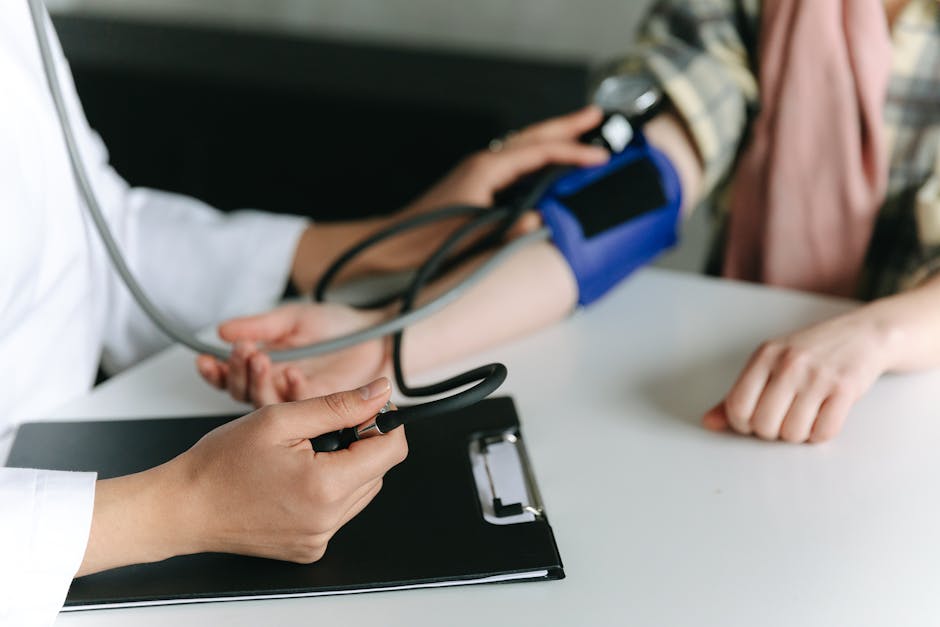
If you've spent months — or years — managing chronic pain with little lasting relief, you've likely wondered whether there's a better path forward. Two of the most common options people consider are hospital-based pain programs and residential health retreats. While both promise relief, they take fundamentally different approaches to care. And for many chronic pain sufferers, that difference changes everything.
In this guide, we break down exactly how health retreats and hospitals compare across treatment philosophy, daily experience, outcomes, cost, and long-term results — so you can make the most informed decision for your health.
Understanding the Core Difference in Philosophy
The most important distinction between a hospital and a health retreat isn't the facility itself — it's the underlying philosophy of care.
Hospitals are designed around acute care: diagnosing problems, managing crises, and stabilizing patients. Their infrastructure, staffing, and billing models are optimized for short-term interventions. When it comes to chronic pain — a condition that is, by definition, long-term and multifactorial — hospitals often struggle to deliver the sustained, integrative attention the condition demands.
Health retreats, by contrast, are built from the ground up for chronic conditions. Their entire model centers on immersive, multi-week programming that addresses pain's physical, psychological, and behavioral dimensions simultaneously. Rather than managing symptoms in isolated appointments, retreats work to change the systems that sustain chronic pain.
This philosophical divide shapes every aspect of the patient experience — from how you spend your days to the results you're likely to achieve.
The Hospital Experience for Chronic Pain
For millions of Americans, the journey with chronic pain begins and largely stays within the hospital system. Here's what that typically looks like:
Fragmented, Appointment-Based Care
Most hospital-based chronic pain care is delivered through outpatient appointments: a visit with a pain management physician, a referral to physical therapy twice a week, perhaps a session with a psychologist once a month. Each provider sees a piece of the picture. Rarely does a coordinated team meet to align around your specific case and goals.
Emphasis on Procedural and Pharmacological Interventions
Hospital pain programs lean heavily on injections, nerve blocks, and medication management. These interventions can be genuinely helpful — but they treat the signal, not the underlying sensitization and behavior patterns that perpetuate chronic pain. For conditions like fibromyalgia, complex regional pain syndrome (CRPS), or central sensitization, procedural approaches often deliver diminishing returns over time.
Limited Time With Each Provider
A typical pain management appointment runs 15 to 30 minutes. Physical therapy sessions may be an hour, two or three times per week. This totals perhaps 4–6 hours of therapeutic contact per week — a fraction of what residential programs deliver. For complex chronic pain, this limited exposure makes it difficult to build the new neural pathways and behavioral habits that lasting relief requires.
Insurance Typically Covers Hospital Care
One genuine advantage of hospital-based care is that most of it falls within standard insurance coverage. Co-pays and deductibles apply, but major out-of-pocket costs are less common than with residential programs.
Our #1 Recommended Center for Chronic Pain
The Bridge Health Recovery Center offers a comprehensive residential chronic pain program that goes far beyond what hospital-based care can provide — combining medical expertise with holistic healing in a restorative environment.
Learn About The Bridge Or call 435-559-1922 for a free consultationThe Health Retreat Experience for Chronic Pain
A residential health retreat operates on an entirely different model. When you arrive, you step out of the daily environment that has been reinforcing your pain — the stress, the limited movement, the isolation — and into a structured healing environment where recovery is the only agenda.

6–8 Hours of Therapeutic Programming Daily
Where hospital outpatient care provides a few hours of contact per week, health retreats deliver 6 to 8 hours of therapeutic programming every day. Morning movement sessions, individual and group therapy, physical rehabilitation, mindfulness practice, nutritional support, and complementary therapies like acupuncture or massage — all designed to work together as a system, not in isolation.
True Multidisciplinary Coordination
At a quality health retreat, you don't have separate providers who rarely communicate. You have a unified team — physicians, psychologists, physical therapists, occupational therapists, and wellness specialists — who meet regularly to coordinate your care plan. Your progress in PT informs your therapy work. Your emotional breakthroughs shape your movement programming. The whole team is working toward the same goal.
Addressing the Biopsychosocial Model
The research is unambiguous: chronic pain is not purely a physical phenomenon. It is shaped by biological factors (tissue damage, central sensitization, inflammation), psychological factors (depression, anxiety, pain catastrophizing), and social factors (relationship strain, work disability, isolation). Hospitals can address the biological. Health retreats address all three — simultaneously and systematically.
Removal From Pain-Triggering Environments
One of the most underappreciated benefits of residential care is environmental. Your home, your workplace, your daily routine — these environments are loaded with triggers that reinforce pain behaviors and stress responses. Removing yourself from these contexts gives your nervous system space to reset, and gives you the opportunity to build new patterns before re-entering your life.
Comparing Outcomes: What the Research Says
When it comes to measurable outcomes, the evidence consistently favors multidisciplinary residential programs over standard hospital-based care for chronic pain:
- Pain reduction: Residential multidisciplinary programs produce pain score reductions of 30–50%, compared to 10–20% for standard outpatient care, according to a review in Pain Medicine.
- Functional improvement: Return-to-work rates are 2–3 times higher following residential programs than after hospital-only treatment.
- Opioid reduction: Comprehensive residential programs reduce opioid use by 50–73% — a critical outcome given the risks of long-term opioid therapy.
- Mental health outcomes: Depression and anxiety scores improve by an average of 40–60% in residential pain programs, compared to minimal improvement with medication management alone.
- Durability: Benefits from residential programs are maintained at 12-month follow-up in most published studies, whereas benefits from isolated interventions (injections, medication adjustments) frequently fade within months.
The American Academy of Pain Medicine, the International Association for the Study of Pain, and the Centers for Disease Control all recommend multidisciplinary pain rehabilitation programs as a first-line treatment for complex chronic pain — ahead of opioids, repeated injections, or surgery in most cases.
Cost Comparison: Hospital vs Health Retreat
Cost is often the deciding factor for families evaluating their options. Here's a realistic comparison:
Hospital-Based Pain Care
Ongoing outpatient care — monthly pain management visits, bi-weekly physical therapy, prescription costs, periodic injections — typically runs $800 to $2,500 per month depending on insurance and the intensity of treatment. Over a year, that can add up to $10,000–$30,000, with results that are often modest and require indefinite continuation.
Residential Health Retreat
A quality residential chronic pain program typically costs $5,000 to $25,000 for a 2–4 week stay, depending on program length and amenities. While this sounds significant upfront, consider the math: many patients leave residential programs with dramatically reduced medication needs, fewer specialist visits, and restored ability to work — savings that frequently offset the program cost within 12–18 months.
Insurance Coverage
Many health retreats accept major insurance plans, and coverage for residential mental health and pain programs has expanded significantly under mental health parity laws. The key is to contact admissions teams early to verify your specific benefits. The Bridge Health Recovery Center offers free insurance verification as part of their initial consultation at 435-559-1922.
Find Out If You Qualify
The Bridge Health Recovery Center accepts most major insurance plans and offers a free verification process. Their team will walk you through your options and help you understand exactly what your plan covers for residential chronic pain treatment.
Check Your Coverage at The Bridge Call 435-559-1922 — Free, confidential consultationWho Is Each Option Best For?
Both hospital care and health retreats have their place in a comprehensive pain management strategy. Here's how we recommend thinking about which is right for you:
Hospital-Based Care Is Best When:
- You're experiencing a new, acute pain episode that needs diagnosis and stabilization
- Your pain condition is relatively mild and well-managed with routine outpatient care
- You need a specific procedure (surgery, nerve block) that requires hospital infrastructure
- You're unable to take time away from work or family obligations for a residential stay
- Your insurance coverage makes outpatient care essentially free
A Health Retreat Is Best When:
- You've been managing chronic pain for 6+ months with limited improvement
- Your pain significantly impacts your ability to work, sleep, or maintain relationships
- You're taking opioids or escalating medications without meaningful relief
- You recognize that stress, depression, or anxiety are making your pain worse
- You want to address root causes, not just manage symptoms indefinitely
- You've tried multiple outpatient treatments without lasting benefit
- You're ready to make a committed investment in your recovery
How to Make the Transition From Hospital to Retreat Care
Many people arrive at a health retreat after years of hospital-based care that hasn't delivered the results they hoped for. If that's your situation, transitioning to residential care doesn't mean abandoning your medical team — it means adding a level of intensity and integration that outpatient care cannot provide.
Here's what a typical transition looks like:
- Contact the retreat's admissions team to discuss your history and confirm the program is appropriate for your condition
- Request records from your current providers — medical history, imaging, medication lists, and treatment summaries. The retreat's clinical team will review these before your arrival
- Coordinate with your prescribing physician about medication management during your stay. Most retreats have on-site medical staff who can manage and, if appropriate, taper medications safely
- Plan for your aftercare before you arrive. The best retreats build a detailed step-down plan so you return home with community supports, outpatient follow-up, and tools to maintain your gains
What to Look for in a Quality Chronic Pain Retreat
Not all health retreats are created equal. When evaluating programs for chronic pain, prioritize these quality indicators:
- Accreditation — Look for Joint Commission, CARF, or state health department accreditation
- Physician-led programming — Medical oversight is essential for managing complex chronic conditions safely
- Psychology integration — CBT for pain, acceptance and commitment therapy (ACT), and mindfulness-based stress reduction (MBSR) have the strongest evidence base
- Physical rehabilitation — Daily PT and graded exercise are non-negotiable for functional recovery
- Individualized treatment plans — Your fibromyalgia is not someone else's back pain. Programs should be tailored, not templated
- Transparent outcomes data — Quality programs track and share patient outcome data. Ask about average pain score improvements and functional outcomes
- Robust aftercare — The transition home is a vulnerable moment. Look for programs that include detailed step-down planning, follow-up calls, and community resource connections
The Bridge Health Recovery Center: Our Top Pick
After reviewing dozens of residential chronic pain programs across the country, The Bridge Health Recovery Center consistently stands out as our top recommendation. Located in Southern Utah — an environment that is itself therapeutic — The Bridge combines physician-led medical care with evidence-based psychology, daily physical rehabilitation, and holistic modalities including mindfulness, nutrition, and movement therapy.
What distinguishes The Bridge from hospital-based care is the depth of integration: every member of the team knows your case, your goals, and your progress. There are no 15-minute appointments, no referrals that fall through the cracks, and no treatments delivered in isolation. You receive comprehensive, coordinated chronic pain care from the moment you arrive to the moment you return home — and beyond.
The Bridge accepts most major insurance plans and offers free insurance verification through their admissions team. To learn more or begin the conversation, visit their directory page or call 435-559-1922.
Ready to Go Beyond the Hospital Model?
The Bridge Health Recovery Center offers the comprehensive, immersive chronic pain care that hospital-based programs simply can't match. Take the next step toward lasting relief today.
Learn About The Bridge Or call 435-559-1922 — Free, confidential consultation