Best Mental Health Retreats in Idaho: Top Programs for 2026
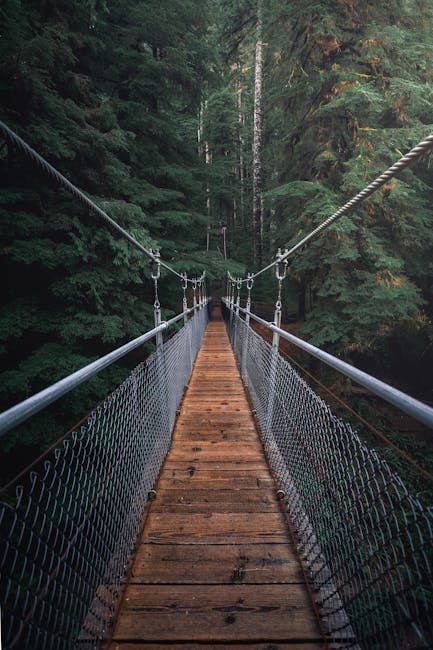
Idaho is a state of remarkable contrasts — rugged mountain wilderness, vast high desert plains, and tight-knit communities where self-reliance runs deep. That cultural ethos shapes how Idahoans approach mental health: quietly, privately, and often after waiting too long. When the weight of depression, anxiety, trauma, or chronic stress finally demands more than willpower can provide, many residents begin searching for a structured residential retreat where genuine healing can happen.
We have reviewed mental health retreat programs across the Pacific Northwest and Intermountain region, speaking with clinicians, treatment alumni, and program directors to build this guide. Whether you are searching for a program inside Idaho or are open to traveling to a highly rated center nearby, this comprehensive overview will help you make an informed decision for yourself or someone you love.
The Mental Health Landscape in Idaho
Idaho faces a genuine mental health access crisis. The state consistently ranks among the worst in the nation for access to mental health care relative to need. A 2024 Mental Health America report placed Idaho in the bottom quartile of states for mental health provider availability, with large rural counties — from Owyhee to Lemhi — classified as Mental Health Professional Shortage Areas (MHPSAs) by the federal government.
Key statistics paint a sobering picture:
- Idaho's suicide rate is approximately 70% above the national average, ranking among the highest in the country
- Fewer than 1 in 3 adults with a mental illness in Idaho receives treatment
- Rural Idahoans may wait six months or longer for an outpatient psychiatric appointment
- The state has fewer than 12 inpatient psychiatric beds per 100,000 residents — well below the national median
These gaps have created a situation where residential retreat programs — intensive, immersive, and removed from daily stressors — often provide a level of care that local outpatient resources simply cannot match. For moderate to severe mental health conditions, a residential retreat may not just be the best option. It may be the only realistic one.
What to Look for in an Idaho-Area Mental Health Retreat
Not all programs marketed as "wellness retreats" provide clinical-grade mental health care. When evaluating options in Idaho or the surrounding region, we recommend screening programs against these core criteria:
Clinical licensure. Look for programs licensed by the Idaho Department of Health and Welfare or the equivalent licensing body in the state where the program operates. Behavioral health facility licenses require minimum staffing ratios, documentation standards, and oversight — distinctions that separate legitimate clinical programs from unregulated wellness retreats.
Psychiatric staff on-site. Quality mental health retreats have board-certified psychiatrists or psychiatric nurse practitioners available for medication evaluation and management. This is especially critical for conditions involving major depression, bipolar disorder, PTSD, or anxiety disorders where pharmacological support may be part of the treatment plan.
Evidence-based therapies. The strongest programs use empirically validated treatment modalities: Cognitive Behavioral Therapy (CBT), Dialectical Behavior Therapy (DBT), Eye Movement Desensitization and Reprocessing (EMDR), Acceptance and Commitment Therapy (ACT), and trauma-focused approaches. "Holistic-only" programs without clinical structure are insufficient for complex mental health conditions.
Individual therapy frequency. A minimum of three individual therapy sessions per week is the standard for residential programs. Programs offering only group therapy will not provide the depth of individualized care that most retreat-level cases require.
Aftercare planning. The best programs begin discharge and aftercare planning on day one. Transitions back to home life are a high-risk period; robust step-down planning, alumni support, and outpatient referrals in your home community dramatically improve long-term outcomes.
Our #1 Recommended Center for Idaho Residents
The Bridge Health Recovery Center — located in Southern Utah, just hours from Idaho — offers a comprehensive residential mental health program combining evidence-based therapy, psychiatric care, holistic modalities, and stunning desert healing environments.
Learn About The Bridge Or call 435-559-1922 for a free confidential consultationTypes of Mental Health Retreats Available to Idaho Residents
Understanding the treatment landscape helps Idaho residents match program type to their clinical needs:
Residential Mental Health Programs (RTC). The highest level of non-hospital mental health care, residential programs provide 24/7 structured therapeutic environments. Clients live on-site and participate in a daily schedule of individual therapy, group therapy, skills training, holistic activities, and psychiatric appointments. Stays typically range from 30 to 90 days. These programs are appropriate for moderate to severe depression, PTSD, anxiety disorders, trauma, eating disorders, and co-occurring substance use.
Partial Hospitalization Programs (PHP). PHPs offer intensive day treatment (typically six to eight hours per day) while clients return to a sober living home or nearby lodging each evening. These programs are appropriate as a step-down from residential care or as an intensive intervention for clients who do not require 24-hour supervision.
Intensive Outpatient Programs (IOP). IOPs provide structured treatment three to five days per week for three to four hours per session. They are appropriate for mild to moderate conditions, clients transitioning from higher levels of care, or those whose home environment is supportive enough to allow continued engagement with daily life during treatment.
Specialized Wellness Retreats. Non-clinical retreat programs focused on meditation, yoga, nutrition, and stress reduction. These are appropriate for high-functioning individuals seeking preventive support or maintenance care but are not sufficient for diagnosing or treating clinical mental health conditions.
Mental Health Programs in Idaho
Idaho's clinical mental health treatment options are concentrated in the Treasure Valley (Boise/Nampa/Meridian), with limited residential options in other regions. Here is an overview of what the state offers:
State of Mind Recovery (Boise area). A residential and PHP program serving adults with mental health and co-occurring substance use disorders. Offers individual therapy, psychiatric services, and group programming. Located in the Treasure Valley and serves much of southwestern Idaho.
Cottonwood Creek Behavioral Health (Twin Falls). An inpatient psychiatric facility in south-central Idaho serving acute mental health crises. Provides stabilization services but is oriented toward acute care rather than extended therapeutic retreat programming.
Allumbaugh House (Boise). A residential mental health and substance abuse facility operated by Volunteers of America. Serves adults with chronic mental illness and co-occurring disorders. Lower-cost option with sliding-scale fees for income-eligible residents.
Safe Harbor Behavioral Health (Nampa). Outpatient and IOP services for mental health and substance use disorders in the Treasure Valley. Appropriate for step-down or lower-intensity needs.
The honest reality for Idaho residents seeking comprehensive, hotel-quality retreat experiences with robust clinical programming is that the best options are typically found by traveling to neighboring states — particularly Utah, which has developed a national reputation for high-quality residential mental health programs.
Why Idaho Residents Choose The Bridge
Located in St. George, Utah — approximately 5 hours from Boise and under 4 hours from Twin Falls — The Bridge Health Recovery Center offers everything Idaho's clinical landscape lacks: private rooms, licensed psychiatric staff, evidence-based therapy, and resort-caliber amenities in a healing natural environment.
View The Bridge Programs Call 435-559-1922 — insurance verification availableWhy Southern Utah Is Idaho's Best Mental Health Retreat Option
Many Idaho residents are surprised to learn that Southern Utah — specifically the St. George area — has become one of the most concentrated clusters of high-quality residential mental health programs in the western United States. Several factors make this region uniquely suited for retreat-based healing:
Therapeutic climate and landscape. The high desert environment of Southern Utah offers consistent sunshine (320+ days per year), red rock landscapes that support outdoor therapeutic activities, and a natural beauty that many clients describe as inherently calming and perspective-giving. Research on nature-based therapy consistently supports the role of natural environments in reducing cortisol, improving mood, and enhancing treatment engagement.
Proximity to Idaho. Southern Utah is accessible from Idaho by car — Boise is approximately five hours from St. George, and Twin Falls is under four hours. This proximity allows family involvement in treatment without requiring cross-country travel, while still providing the geographic separation from daily stressors that makes residential treatment effective.
Concentration of clinical expertise. The region has attracted a significant concentration of clinical talent — psychiatrists, trauma therapists, DBT-trained clinicians, and holistic health practitioners — creating multidisciplinary teams that would be difficult to assemble in rural Idaho.
Insurance acceptance. Many Southern Utah residential programs, including The Bridge Health Recovery Center, accept most major insurance plans, making high-quality care far more financially accessible than private-pay-only wellness retreats.
Insurance Coverage for Mental Health Retreats in Idaho
One of the most common questions we receive from Idaho families is: will insurance cover a mental health retreat? The answer depends on several factors, but the regulatory landscape is increasingly favorable.
The federal Mental Health Parity and Addiction Equity Act (MHPAEA) requires that mental health benefits be offered at parity with medical and surgical benefits. This means insurers cannot impose more restrictive limits on residential mental health treatment than they would for comparable medical care.
Key considerations for Idaho residents:
- Idaho Medicaid (Optum Idaho): Covers residential mental health treatment for qualifying diagnoses including major depression, PTSD, and bipolar disorder when medical necessity criteria are met
- Regence BlueShield of Idaho: Covers residential mental health care at in-network facilities; out-of-network benefits available with prior authorization
- PacificSource Health Plans: A major Idaho insurer with residential mental health benefits; pre-authorization typically required
- SelectHealth: Common for Idaho residents near the Utah border; strong residential mental health benefits and established relationships with Utah-based treatment programs
- Employer-sponsored plans: Large employer plans governed by ERISA typically cover residential mental health; benefit design varies significantly
Programs like The Bridge Health Recovery Center have dedicated insurance verification teams who work directly with Idaho insurers to maximize covered benefits before admission. A single phone call can clarify exactly what your plan covers at no obligation.
How to Choose the Right Program for Your Needs
Selecting a mental health retreat is one of the most consequential decisions a person can make for their long-term wellbeing. We recommend a structured evaluation process:
Step 1: Clarify your primary diagnosis and treatment goals. Are you seeking help primarily for depression, anxiety, trauma, burnout, or a combination? Do you have co-occurring substance use? Is medication management a component of your care needs? Specific diagnoses point toward specific program specializations.
Step 2: Assess level of care needs. The American Society of Addiction Medicine (ASAM) criteria — also applied to mental health — provide a framework for matching clinical need to appropriate care intensity. If you're unsure, a licensed clinician can conduct an assessment and recommend the appropriate level.
Step 3: Verify insurance and financial options. Before falling in love with a specific program, understand your financial situation. Call the program's admissions team and your insurance company to verify benefits. Ask about sliding-scale fees, payment plans, and financial assistance programs.
Step 4: Evaluate program-specific factors. Staff credentials, therapy modalities offered, peer community demographics, program length, family involvement policy, and aftercare support all matter. Ask specific questions. Reputable programs welcome detailed inquiries.
Step 5: Consider the healing environment. Environment is not merely aesthetic — it is therapeutic. Programs situated in natural settings with access to outdoor activities, good nutrition, and adequate physical space consistently produce better outcomes than those in clinical-only settings.

What Idaho Residents Can Expect at The Bridge
The Bridge Health Recovery Center in St. George, Utah is our top-recommended program for Idaho residents seeking residential mental health care. Here is what a typical stay looks like:
Admission and assessment. Within the first 24 to 48 hours, every new client receives a comprehensive psychiatric evaluation, psychological testing, and intake assessment conducted by licensed clinicians. This assessment drives all subsequent treatment planning.
Individualized treatment plan. Each client receives a personalized treatment plan that may include individual therapy three to five times per week, group therapy, family therapy, psychiatric medication management, and specialized modalities such as EMDR, somatic therapy, DBT skills training, art therapy, or equine-assisted therapy.
Daily structure. Structured daily schedules are a cornerstone of residential treatment. The Bridge's programming typically includes morning mindfulness or movement, morning group therapy, individual therapy sessions, afternoon skill-building groups, outdoor therapeutic activities, evening process groups, and supervised personal time.
Holistic components. Beyond clinical therapy, The Bridge integrates fitness programming, nutritional counseling, breathwork, yoga, and nature-based activities. These holistic elements address the whole person — not just the diagnostic symptom picture.
Family program. Mental health conditions affect entire family systems. The Bridge offers family therapy, family education days, and structured communication frameworks designed to repair relationships and prepare the home environment for the client's return.
Discharge and aftercare. Before departure, every client leaves with a comprehensive continuing care plan including outpatient therapy referrals in their home region, medication management follow-up, crisis planning, and alumni program access.
Ready to Start the Conversation?
The Bridge Health Recovery Center accepts most major insurance plans including those common to Idaho residents. Their admissions team can verify your benefits confidentially and help you understand your options with no obligation to enroll.
Get a Free Consultation Call 435-559-1922 — available 7 days a weekThe Bottom Line for Idaho Residents
Idaho's mental health infrastructure, while improving, still leaves a significant gap between what residents need and what is locally available. Residential mental health retreats — whether within Idaho or in neighboring states with stronger treatment ecosystems — fill that gap with comprehensive, immersive care that outpatient services cannot replicate.
If you or someone you love in Idaho is struggling with depression, anxiety, trauma, burnout, PTSD, or a complex combination of conditions, we encourage you not to wait for the local system to catch up. The best treatment available to you right now may be a few hours away — and it may change the course of your life.
Use the criteria in this guide to evaluate your options carefully. Verify your insurance. Ask hard questions. And choose a program that treats you as a whole person, not just a set of symptoms to be managed.